Does Exercise Type Matter for Sleep — Not Just Timing
People often focus on when to exercise to protect sleep, and timing does matter. But many readers also wonder whether the type of exercise — cardio, strength, yoga, or stretching — makes a difference for sleep quality.
This article explains what we generally know about different exercise types and sleep, offers practical ways to experiment, and highlights simple strategies to choose activity that supports better rest.
Quick Answer
Yes — the type of exercise can influence sleep in different ways. Cardio often helps people fall asleep and may boost slow-wave sleep, strength training seems linked to deeper sleep and fewer awakenings for some people, and calming practices like yoga or stretching may ease pre-sleep arousal. Individual responses vary, so experimenting with type, intensity, and timing is usually the most helpful approach.
Table of Contents
- How exercise type affects sleep
- Cardio vs strength training: what people commonly notice
- Timing and exercise type: practical guidance
- How to choose the right exercise for your sleep goals
- When to see a doctor
- Common mistakes
- FAQ
- Bottom Line
How exercise type affects sleep
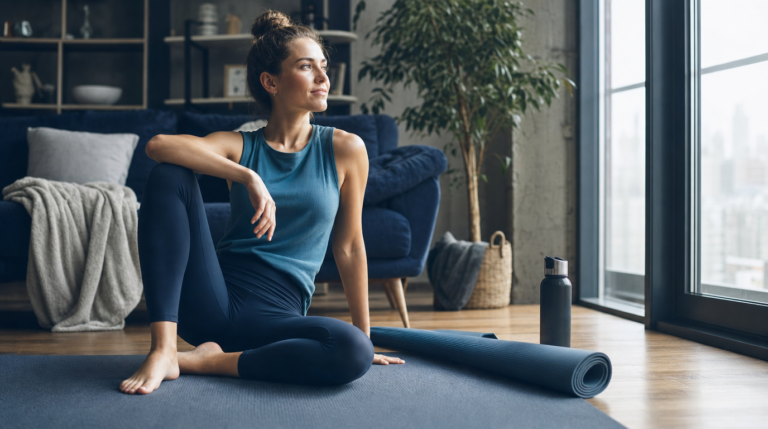
Different forms of movement tend to change sleep through slightly different pathways. Aerobic or cardio activity raises heart rate and body temperature during the workout, which for many people leads to a stronger drive to sleep later and can help with sleep onset. Strength training may reduce nighttime awakenings and is often linked with feeling more rested the next day. Mind-body activities like yoga, tai chi, or gentle stretching can lower arousal and anxiety at bedtime for people who struggle with a racing mind.
Cardio vs strength training: what people commonly notice
Many people report clearer differences than studies alone suggest. Cardio workouts — walking, running, cycling, swimming — often help with falling asleep and may increase deep sleep for some. Strength training can feel restorative and reduce fragmented sleep for others. The key point is that individual experience varies: some find evening cardio energizing in a way that disrupts sleep, while others find it relaxing.
Timing and exercise type: practical guidance
Timing interacts with type. Higher-intensity cardio or heavy lifting close to bedtime may leave some people too stimulated to fall asleep easily, while lighter activity like a relaxed walk or gentle yoga is often easier to do later without disrupting sleep. If you want a deeper dive on timing strategies, many readers find the RestWell overview helpful: Does Exercise Timing Affect Sleep?.
How to choose the right exercise for your sleep goals
- Decide what you want: better sleep onset, fewer awakenings, or feeling more refreshed?
- Experiment for a week or two: swap a morning or afternoon cardio session for strength work, or add short evening stretching sessions to see what changes.
- Track patterns, not perfection: note how you sleep after different workouts (time to fall asleep, number of awakenings, how rested you feel).
- Mix types: combining cardio, strength, and calming movement across the week may give balanced benefits without needing a single “best” type.
When to see a doctor
If poor sleep persists despite changing exercise type, timing, and other habits, it may be worth talking with a healthcare provider to rule out medical issues or a sleep disorder. Likewise, if you experience new or worsening chest pain, fainting, or breathlessness during exercise, seek medical advice promptly. For information about our medical guidance and editorial standards, see RestWell HQ’s medical disclaimer and editorial policy.
Common mistakes
- Assuming one exercise type will fix sleep for everyone.
- Doing intense workouts right before bed without testing personal response.
- Expecting immediate changes after a single session instead of tracking patterns.
- Overlooking recovery — too much high-intensity work can increase nighttime arousal for some people.
- Ignoring low-effort options like stretching or walking that can help when energy is low.
FAQ
Does cardio always help sleep?
Cardio often helps people fall asleep and may increase restorative sleep for some, but responses vary — for some, high-intensity cardio near bedtime can feel activating and make sleep harder.
Is strength training better than cardio for deeper sleep?
Strength training is commonly reported to reduce awakenings and improve next-day rest for many people, but it isn’t universally better — individual reaction and overall routine matter more than choosing one type exclusively.
Can yoga or stretching before bed improve sleep?
Gentle yoga or stretching can lower physical and mental tension for some people and make it easier to fall asleep, especially if pre-sleep arousal or worry is a barrier to rest.
Should I switch exercise types if my sleep is poor?
It’s reasonable to experiment: try shifting intensity, moving a workout earlier, or swapping types for a week or two while tracking sleep. Small, gradual changes are often easier to assess than big sudden shifts.
Where can I learn more about exercise timing and sleep?
RestWell has a focused guide on exercise timing and how it interacts with sleep that many readers find useful: Does Exercise Timing Affect Sleep?.
Bottom Line
The kind of exercise you do can matter for sleep, but there’s no one-size-fits-all answer. Cardio, strength, and calming movement each offer potential benefits; the right choice depends on your goals, how your body responds, and when you schedule activity. Trying different types across a few weeks while noting how you sleep is often the most practical path to better rest.
For more on how exercise timing fits with these choices, see Does Exercise Timing Affect Sleep?, and for broader sleep-friendly habits to pair with your workouts, check How to Sleep Better Naturally.