How to Sleep Well the Night Before a Big Day
It’s common to feel wired the night before an important event. Whether you have a job interview, presentation, athletic competition, or other high-stakes day, the mind and body can respond with extra alertness that makes sleep harder than usual.
This guide focuses on practical, non-medical strategies many people find helpful for improving sleep the night before a big day. The tips emphasize preparation, a calming wind-down, and bedroom tweaks you can try without making big changes to your routine.
Quick Answer
Plan ahead, use a brief, calming wind-down routine, make the bedroom comfortable and dark, and practice a few anxiety-reducing techniques if your mind is racing. Small, predictable steps the evening before can make sleep more likely even when you feel nervous.
Table of Contents
- Plan and prepare earlier in the day
- Build a simple wind-down routine
- Optimize your sleep environment
- Mindset and calming techniques
- Night-of practical tips
- When to see a doctor
- Common mistakes
- FAQ
- Bottom Line
Plan and prepare earlier in the day
Much of a smooth night starts during the day. Finish critical prep tasks—pack a bag, lay out an outfit, confirm logistics—so there’s less to worry about before bed. Keeping a short, prioritized checklist can help you offload nagging details from your mind.
Also prioritize routines that support sleep: get some daylight exposure, move gently or exercise at a sensible time, and avoid late heavy meals that might disrupt comfort. Many people find a predictable daytime plan reduces evening anxiety and sets the stage for better sleep.
Build a simple wind-down routine
A calm, consistent pre-bed ritual signals to your body that it’s time to shift toward sleep. Keep it short—20–45 minutes—and pick low-stimulation activities you find relaxing: reading (paper books or dim backlit devices), light stretching, a brief warm shower, or writing a quick note of what you’ll do in the morning.
- Use a notebook to jot down any lingering to-dos so your brain can let go.
- Favor gentle, familiar activities rather than trying something new on a high-stress night.
- Avoid heavy screens or emotionally intense media right before bed in favor of calmer content.
Optimize your sleep environment
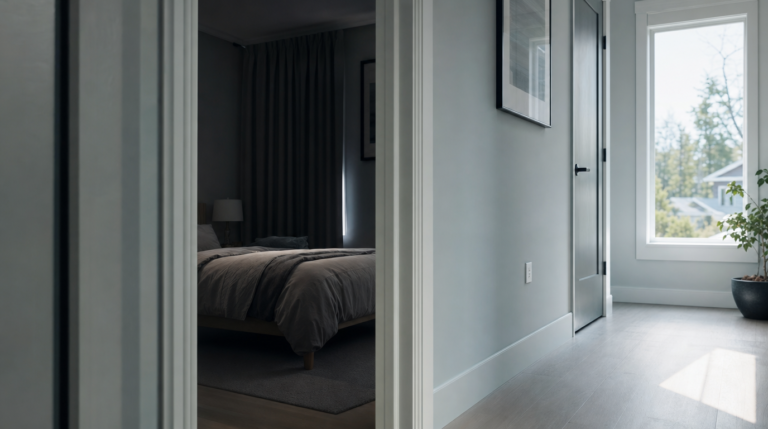
Small bedroom changes can matter when you’re already anxious. Make the room cool, quiet, and as dark as you can reasonably manage. Test your plan earlier in the day so you’re not troubleshooting the night before.
- Consider blackout options and reduce bright lights from devices or alarm displays.
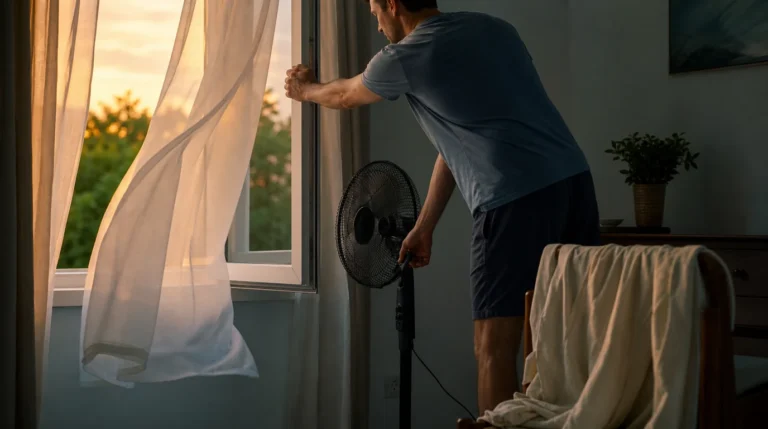
- Limit sudden noises—white noise or a fan can help some people, while others prefer quiet.
- Set bedding and pajamas to a comfortable temperature; feeling physically comfortable reduces interruptions.
Mindset and calming techniques
If your mind is active, try brief techniques that many people find helpful: focused breathing, a short body-scan meditation, or progressive muscle relaxation. These are behavioral tools rather than medical treatments and can reduce immediate tension for some people.
Reframe worries with a realistic, compassionate perspective: remind yourself you’ve prepared as best you can, that one imperfect night rarely ruins the outcome, and that calm focus is often more useful than perfectionist thinking.
Night-of practical tips
- Limit stimulating substances late in the afternoon or evening; stick with what usually works for you.
- If you can’t sleep after 20–30 minutes, get up and do a quiet, low-light activity until you feel sleepy again—getting frustrated in bed can make things worse.
- Set an alarm that gives you enough time in the morning without encouraging late-night clock-watching; consider a gentle wake approach rather than repeatedly snoozing.
When to see a doctor
If difficulty sleeping is frequent, causing major daytime problems, or linked to severe anxiety, pain, breathing issues, or other concerning symptoms, it’s reasonable to talk with a healthcare professional. This article is not medical advice, and a clinician can help identify if there’s an underlying issue needing attention.
For reference on how we approach health content and editorial standards, see our medical disclaimer and editorial policy.
Common mistakes
- Trying a radical new sleep trick the night before an important day.
- Lying in bed worrying instead of getting up for a calming activity.
- Watching emotionally intense shows or checking stressful news right before bed.
- Relying on all-or-nothing thinking (“If I don’t sleep 8 hours, it will be ruined”).
- Changing caffeine or routine in a way you haven’t tested previously.
FAQ
How can I stop my mind from racing before bed?
Many people find a brief brain dump—writing a short list of worries or next-day tasks—plus a calming breathing exercise or body scan helps reduce mental chatter. If intrusive thoughts persist, consider discussing them with a clinician.
Is it okay to nap on the day of an important event?
A short nap earlier in the day can help some people feel refreshed, but long or late naps can make nighttime sleep harder for others. Stick with what typically works for you and avoid unfamiliar nap timing right before a big day.
Should I change my caffeine or food intake the night before?
Avoid late heavy meals or stimulants if they usually affect your sleep, but don’t experiment with drastic dietary changes the night before. Small, familiar adjustments are usually safest when you need reliable sleep.
What if I wake up early and feel anxious?
If you wake early and anxiety flares, try a short grounding routine—focused breathing, a gentle stretch, or listing three things you can control that day. If you can’t fall back asleep after a short period, get up and do a low-stimulation activity until sleep returns.
How early should I go to bed before an important day?
There’s no universal “magic” hour. Aim for a bedtime that aligns with your usual schedule and gives you enough time to wake and prepare calmly. Prioritizing a consistent routine the week before is often more effective than changing bedtime drastically the night before.
Bottom Line
On the night before a big day, small predictable actions often beat last-minute overhauls: finish the practical prep early, follow a brief calming wind-down, optimize comfort in your bedroom, and use simple anxiety-reducing techniques if needed. If sleep problems are frequent or severe, seek professional input.
For more practical routines and habits to support sleep, see Night Routine for Better Sleep, How to Sleep Better Naturally, and How to Get Back to Sleep After Waking Up at Night.