Red Light vs Blue Light Before Bed
Red-toned light is often marketed as gentler for nighttime use, while blue-toned light is linked to alertness. This guide explains what’s established, what’s uncertain, and how to try it.
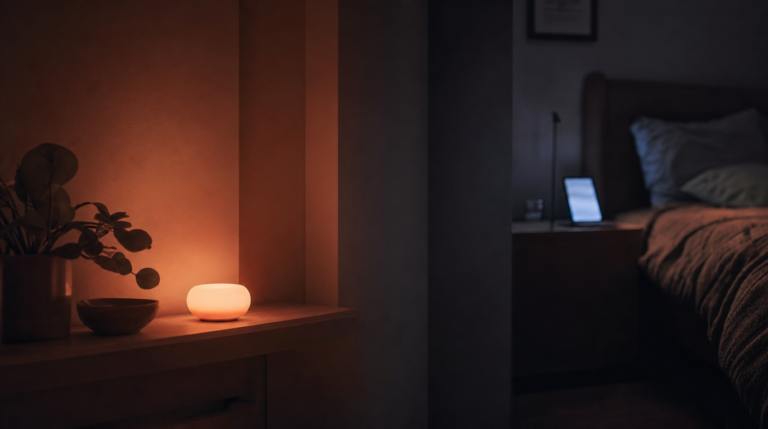
Red-toned light is often marketed as gentler for nighttime use, while blue-toned light is linked to alertness. This guide explains what’s established, what’s uncertain, and how to try it.

Exercise timing may affect sleep differently from person to person. This guide explains commonly discussed patterns for morning, afternoon, and evening workouts and how to test what works for you.
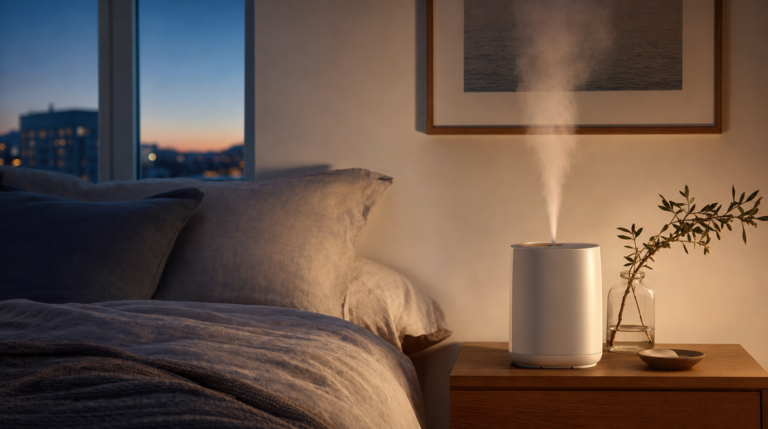
Air that is too dry or too humid can make a bedroom feel harder to settle into. This guide explains how humidity may affect sleep and what to check in your room.
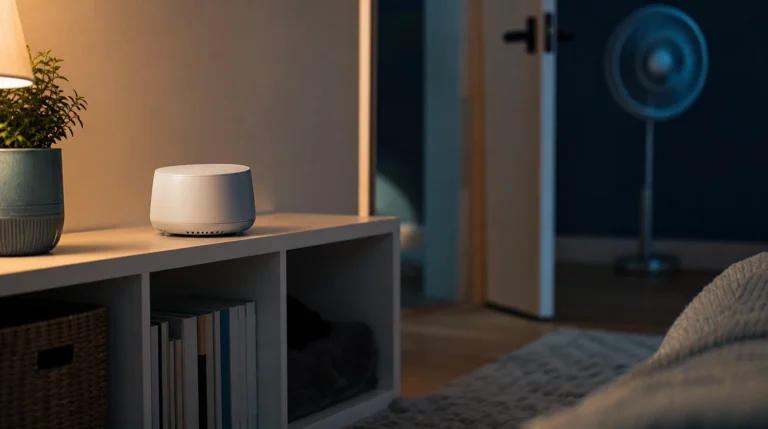
White noise can make a bedroom feel steadier by masking sudden sounds. This guide explains when it may help, when it may not, and how to test it safely.
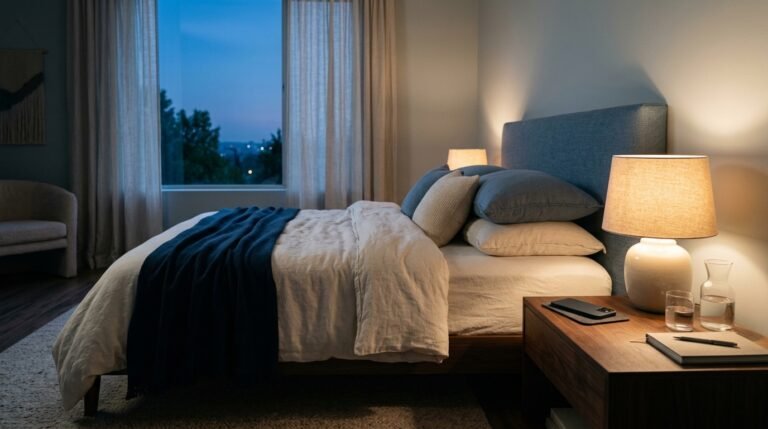
Blue light and screens can be part of bedtime trouble, but brightness, content, timing, stress, and routine all matter.
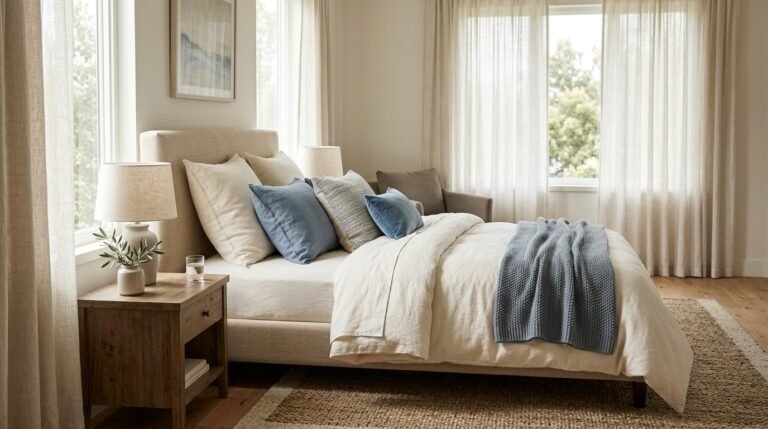
Morning sunlight may help support a steadier daily rhythm for some people. This guide explains practical ways to use light without overcomplicating your routine.
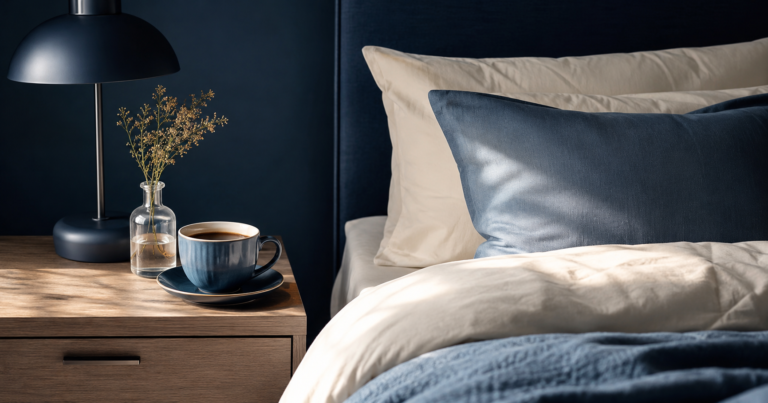
Coffee may affect sleep differently depending on timing, amount, sensitivity, and your overall routine. This guide explains what to track before making changes.
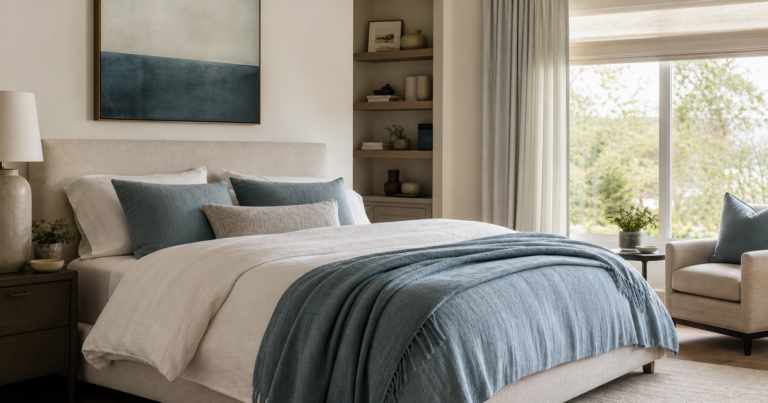
Bedroom temperature is one part of sleep comfort. This guide explains how to adjust bedding, airflow, room setup, and personal comfort one step at a time.