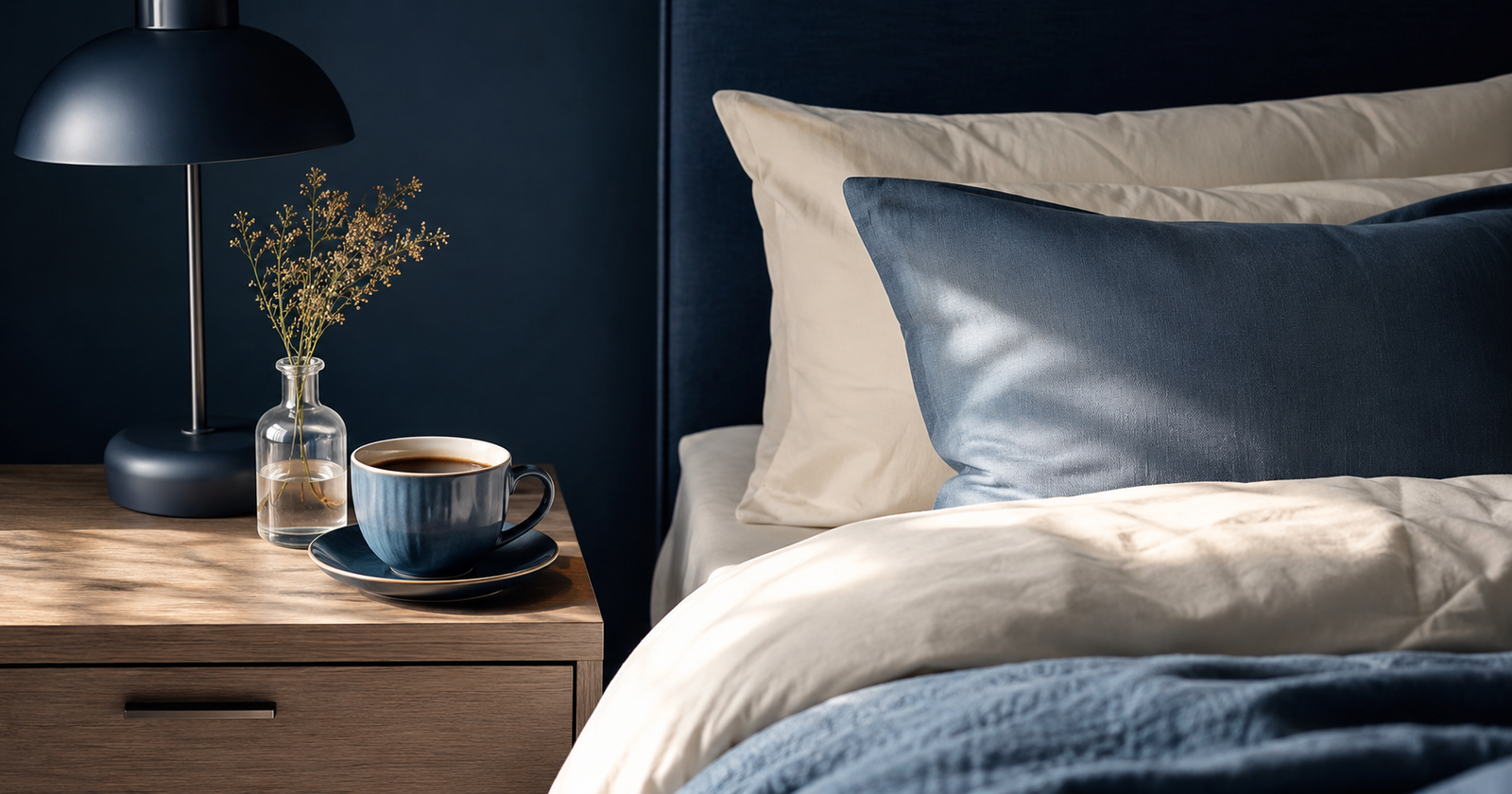
Does Coffee Affect Sleep?
Coffee can affect sleep for some people, but the answer is not the same for everyone. Timing, amount, personal sensitivity, stress, bedtime habits, and your overall sleep schedule can all shape whether coffee feels like a harmless morning ritual or a factor worth adjusting.
The best first step is not to panic or quit coffee overnight. It is to track your pattern. If you regularly drink coffee later in the day and also struggle to fall asleep, sleep lightly, or wake up tired, caffeine timing is a practical variable to review.
Quick Answer
Coffee may affect sleep because it contains caffeine, which can feel stimulating for some people. The effect depends on when you drink it, how much you drink, how sensitive you are, and what else is happening in your routine. If you suspect coffee is affecting your sleep, track your last caffeine time, amount, bedtime, sleep quality, and morning energy for one week before making a bigger change.
How coffee may affect sleep
Coffee is often used because it can help people feel more alert. That same alert feeling can become inconvenient if it shows up too close to bedtime. For some people, later coffee may make the evening feel more active, delay winding down, or make it harder to tell whether tiredness is building naturally.
That does not mean coffee is always the reason for a bad night. Sleep is influenced by schedule, light, stress, noise, temperature, alcohol, meals, exercise timing, and medical symptoms. Coffee is only one possible factor. The goal is to understand your pattern, not blame every rough night on one drink.
Timing matters, but there is no universal cutoff
Many people focus on the question, “How late is too late for coffee?” A more useful question is, “When does coffee seem too late for me?” Exact cutoffs can vary, and a rigid rule can be misleading without context.
Start by noticing whether afternoon or evening caffeine lines up with nights when you take longer to wind down, go to bed later than planned, or feel less rested the next morning. If it does, test an earlier cutoff for several days and compare how your nights feel.
If falling asleep is your main issue, pair this article with How to Fall Asleep Faster, which focuses on bedtime routines and reducing evening friction.
Amount matters too
Timing is only one part of the picture. Amount can matter as well. A small morning coffee, a large afternoon coffee, and multiple caffeinated drinks across the day are not the same routine. If you only track the clock, you may miss the total pattern.
You do not need a complicated system. Write down how many caffeinated drinks you had, roughly when you had them, and how your night went. The goal is not perfect measurement. The goal is to see whether a pattern is obvious enough to test.
Sensitivity varies from person to person
Some people notice caffeine quickly. Others can drink coffee later and still feel like they sleep normally. Because sensitivity varies, comparing yourself to someone else is not very useful. Your own sleep pattern matters more than another person’s coffee tolerance.
If you are not sure whether you are sensitive, look for simple clues: a racing or busy feeling at bedtime, a later bedtime after afternoon coffee, lighter-feeling sleep, or more tired mornings after later caffeine. These signs are not a diagnosis. They are reasons to track and test.
What to track for one week
A one-week tracking period is long enough to notice basic patterns without turning sleep into a stressful project. Keep the notes short and consistent.
| Track | What to write down | Why it helps |
|---|---|---|
| Last caffeine time | The time of your final coffee or caffeinated drink. | Shows whether later caffeine lines up with harder nights. |
| Approximate amount | Small, medium, large, or number of servings. | Helps compare lighter and heavier caffeine days. |
| Bedtime | When you got into bed and when you tried to sleep. | Shows whether caffeine timing lines up with delayed bedtime. |
| Sleep quality | Simple rating: rough, okay, or good. | Shows whether sleep feels different across caffeine patterns. |
| Morning energy | How you felt after waking. | Connects daily choices with next-morning experience. |
Practical caffeine tracking checklist
- Choose one week when your schedule is fairly normal.
- Write down your last caffeine time each day.
- Note the rough amount instead of trying to calculate exact caffeine content.
- Keep your wake time as consistent as practical.
- Do not change everything at once.
- After one week, look for patterns between later caffeine and harder nights.
- If there is a pattern, test an earlier cutoff or smaller afternoon serving for several days.
For a broader routine review, use the Sleep Hygiene Guide. It covers caffeine alongside light, schedule, bedroom comfort, and wind-down habits.
Other caffeine sources to consider
Coffee is not the only source of caffeine. Tea, energy drinks, pre-workout products, some sodas, chocolate, and some over-the-counter products may contain caffeine. If caffeine timing matters to you, check product labels and include those sources in your tracking.
A common mistake is to move coffee earlier while forgetting about a later energy drink, strong tea, or pre-workout product. If the goal is to understand caffeine and sleep, track the whole caffeine pattern.
When coffee may not be the main issue
If changing caffeine timing does not seem to help, widen the lens. Sleep can be disrupted by stress, irregular schedules, late-night scrolling, bedroom temperature, noise, alcohol, heavy meals, and discomfort. If you wake up tired even after adjusting caffeine, read Why Do I Wake Up Tired? for a broader morning checklist.
Bedroom comfort can also shape how the night feels. If you wake up warm, chilled, or restless, the guide to bedroom temperature and sleep can help you review bedding, airflow, and comfort without jumping straight to product fixes.
When to get extra support
If sleep trouble is persistent, severe, linked with breathing symptoms, or paired with strong daytime sleepiness, consider speaking with a qualified professional. This article is educational and is not a diagnosis or treatment plan.
FAQ
Can coffee affect sleep even if I drink it in the afternoon?
It may for some people. If afternoon coffee lines up with later bedtimes, lighter-feeling sleep, or tired mornings, test moving it earlier and compare your notes.
Can morning coffee affect sleep?
Morning coffee is often less obvious than later caffeine as a sleep variable, but sensitivity varies. If you suspect a connection, track timing, amount, bedtime, and morning energy for several days.
Should I quit coffee completely?
Not necessarily. Start by tracking timing and amount. If coffee seems connected to harder nights, try an earlier or smaller serving before making a bigger decision.
How do I know if caffeine is affecting my sleep?
Look for repeat patterns. If later or heavier caffeine days often line up with harder nights or more tired mornings, caffeine timing may be worth adjusting.
Is decaf coffee better at night?
Decaf may be a better fit for some evening routines, but check labels and personal response. The safest approach is to track how your own sleep feels after different choices.
What else contains caffeine?
Tea, energy drinks, pre-workout products, some sodas, chocolate, and some over-the-counter products may contain caffeine. Product labels are the best place to check product-specific caffeine information.
Editorial Note
RestWell HQ publishes educational sleep content for readers who want practical, cautious guidance. This article is not medical advice. Stronger health claims should be source-checked before future updates.




8 Comments