Why Do I Wake Up at 3 AM?
Quick Answer
Waking up at 3 AM can happen for many ordinary reasons, including stress, inconsistent sleep timing, caffeine timing, alcohol, bedroom temperature, noise, light, discomfort, or simply spending enough time in bed that sleep becomes lighter toward morning. It does not automatically mean you have a sleep disorder. The best first step is to look for patterns: what time you go to bed, what happens in the evening, how your room feels, and whether the wakeup is occasional or persistent.
If waking at 3 AM happens often, feels severe, comes with loud snoring or breathing concerns, or affects daily life, consider speaking with a qualified healthcare professional. RestWell HQ content is for general education and should not replace medical advice, diagnosis, or treatment.
Why 3 AM Wakeups Feel So Specific
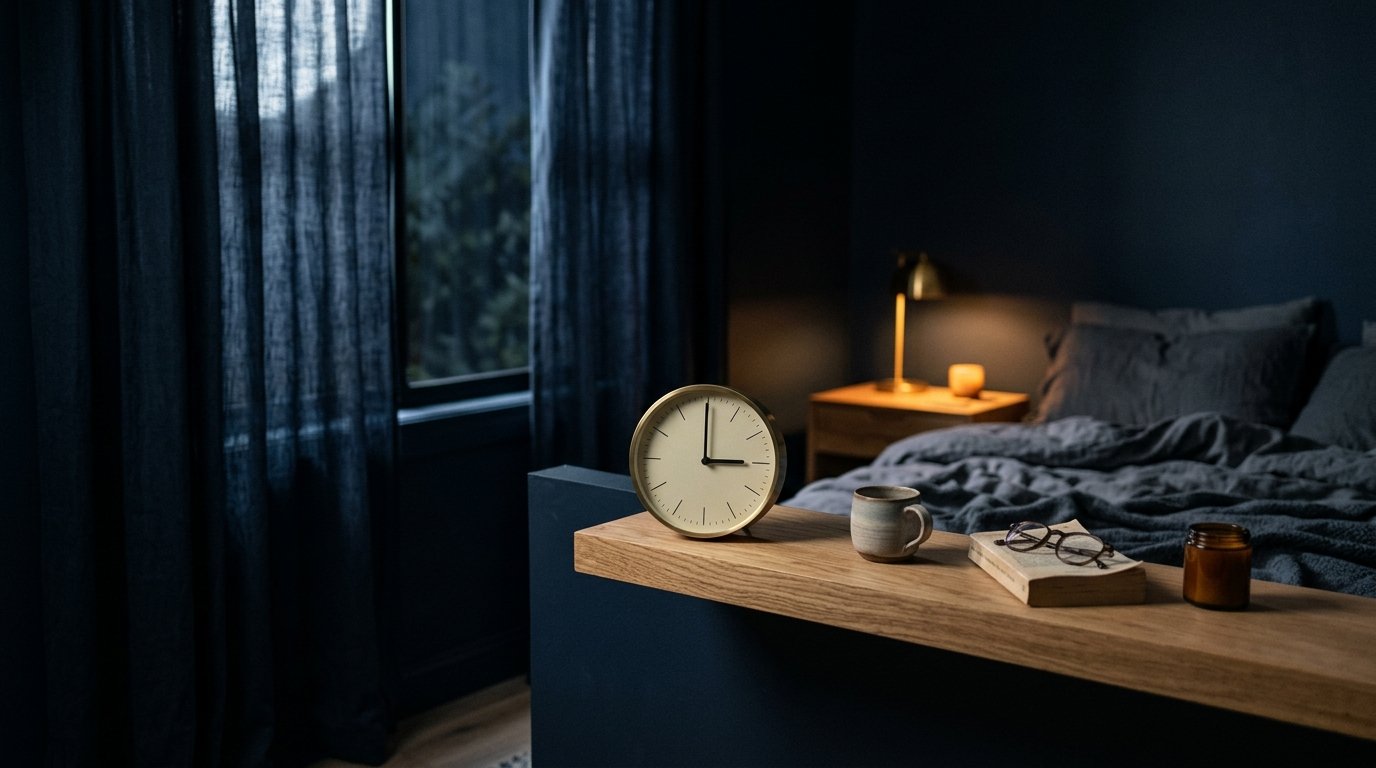
A 3 AM wakeup feels oddly precise. It can seem like your body is sending a signal, especially when it happens several nights in a row. In many cases, though, the exact clock time may be less important than the pattern around it. If you go to bed around the same time each night, your lighter sleep periods may also happen around similar times. A brief wakeup can become memorable when you check the clock, worry about the rest of the night, or start calculating how much sleep is left.
That does not mean the wakeup is imaginary. It means the useful question is not only “Why 3 AM?” A better question is: “What conditions are making it easier for me to wake up and harder for me to return to sleep?” This guide walks through the most practical checks before jumping to a single explanation.
It also helps to separate a single unusual night from a repeated pattern. A late dinner, a warmer room, travel, a stressful conversation, or a different bedtime can all change how the night feels. If the wakeup happens once or twice, you may only need to notice it and return to your routine. If it repeats, a simple log can give you better information than memory alone.
If your main question is broader morning tiredness, pair this article with Why Do I Wake Up Tired?. If you are awake for long periods before sleep starts, read Why Can’t I Sleep? as a companion guide.
Common Reasons You May Wake Up at 3 AM
The reasons below are not diagnoses. They are practical areas to review. Often, more than one factor is involved. A late coffee, a warm room, a stressful week, and an irregular schedule can combine into one frustrating early-morning wakeup.
| Possible factor | What it may look like | What to check first |
|---|---|---|
| Stress or mental load | You wake up alert, thinking, planning, or replaying the day. | Evening work, unresolved tasks, late news, or no wind-down buffer. |
| Inconsistent schedule | Wakeups happen after late nights, sleeping in, or shifting bedtimes. | Wake time consistency and morning light exposure. |
| Caffeine timing | Sleep starts, but the night feels lighter or more interrupted. | Last caffeine time, serving size, and personal sensitivity. |
| Bedroom environment | You wake warm, cold, uncomfortable, or aware of noise/light. | Temperature, bedding layers, light leaks, and sound. |
| Alcohol or heavy evening meals | You fall asleep quickly but wake later in the night. | Timing, amount, and how often it happens after specific evenings. |
| Too much time in bed | You go to bed early but wake before morning and cannot return to sleep. | Total time in bed compared with actual sleep need. |
Start With Your Sleep Schedule
Your sleep schedule is one of the first places to look because timing shapes the rest of the night. If your bedtime changes a lot, your wake time changes a lot, or weekends look very different from weekdays, your body may not have a steady routine to follow. This can make the middle of the night feel less stable.
Start with wake time rather than bedtime. A consistent wake time is often easier to control than trying to force sleep at a perfect hour. Get up at roughly the same time for several days, then allow bedtime to become steadier as sleep pressure builds more predictably. If your schedule is very delayed or inconsistent, the guide How to Fix a Sleep Schedule gives a more detailed reset framework.
Morning light can also act as a daily cue. You do not need to make extreme changes. A simple outdoor walk, breakfast near a bright window, or a few minutes of natural light exposure may help reinforce the start of the day. For a cautious explainer, read Morning Sunlight and Sleep.
Look at Stress Without Over-Diagnosing It
Waking at 3 AM is often connected in people’s minds with anxiety. Stress can certainly make sleep feel lighter, but it is not helpful to diagnose yourself from one wakeup pattern. A safer approach is to look at how your evenings are structured. Are you working late? Solving problems in bed? Scrolling through stressful content? Leaving every task for tomorrow inside your head?
A simple evening unload can help some readers. Write down open tasks, one next step for each, and anything that can wait. This is not a cure or treatment. It is a practical way to reduce the feeling that your bed is the first quiet place where your brain gets to process the day.
If you wake at 3 AM and your mind is busy, avoid turning the wakeup into a performance review. Instead of asking, “Why is this happening again?” try a neutral label: “I am awake right now, and I can keep this boring.” The goal is to reduce stimulation, not win an argument with your brain.
One practical example is the tomorrow note. If a task appears at 3 AM, write only the next physical step, not the whole plan. For example, “Email Alex after breakfast” is better than opening a full project list in your head. Keep the note brief, return the paper, and avoid turning the light brighter than necessary.
Review Caffeine and Alcohol Timing
Caffeine affects people differently. Some readers can drink coffee in the afternoon and sleep normally. Others notice lighter sleep when caffeine is too late or too much for them. The cleanest way to learn your pattern is to track your last caffeine time for a week, then test an earlier cutoff for several days. For more detail, read Does Coffee Affect Sleep?.
Alcohol can also complicate sleep. Some people feel sleepy after drinking, then wake later and feel restless. RestWell HQ does not give medical or treatment advice, but from a routine perspective, it is worth noting whether 3 AM wakeups are more likely after alcohol, heavy meals, or late-night snacking. If a pattern is clear, adjust timing and amount cautiously and see whether the night changes.
Check Bedroom Temperature, Light, and Noise
Middle-of-the-night wakeups often become easier to understand when you check the room itself. You may not notice discomfort at bedtime, but a warm room, cold feet, heavy bedding, bright hallway light, or intermittent noise can become more noticeable during lighter sleep. Before buying anything, observe the basics.
Ask: Do you wake sweaty, chilly, thirsty, or tense? Does the room feel different at 3 AM than at bedtime? Is there a light source you only notice after your eyes adjust? Is a neighbor, appliance, pet, or household member creating sound at a similar time? Bedroom comfort is practical, not perfect. The guide Best Bedroom Temperature for Sleep can help you think through bedding, airflow, and room setup.
What to Do When You Wake Up at 3 AM
The middle of the night is not the best time for complex decisions. Create a simple plan before you need it. The goal is to keep the wakeup low-stakes and low-stimulation.
- Do not start with your phone if you can avoid it.
- Keep lights dim and warm if you need light.
- Avoid checking the clock repeatedly.
- Use a calm, boring activity if you feel fully awake.
- Return to bed when you feel sleepy again.
- Do not use the wakeup to solve tomorrow’s problems.
- Write a quick note only if a thought feels urgent.
If screens are part of your middle-of-the-night pattern, read Does Blue Light Affect Sleep?. The issue is not only blue light. Phones also add decisions, novelty, messages, work, and time awareness. All of those can make a short wakeup feel more active.
A Practical 7-Night Action Plan
Use this plan as a general self-review. It is not medical treatment. If your sleep issues are severe, persistent, or concerning, speak with a qualified healthcare professional.
- Pick a consistent wake time. Keep it steady for seven days, including the weekend if possible.
- Track the wakeup without obsessing. Note bedtime, wake time, caffeine timing, alcohol, screen use, room comfort, and stress level.
- Move caffeine earlier. Test an earlier cutoff if caffeine may be involved.
- Create a wind-down buffer. Stop work-like tasks earlier and use a repeatable evening routine.
- Adjust the room. Check bedding layers, airflow, light leaks, and noise before buying products.
- Make night wakeups boring. Use the same low-stimulation plan every time.
- Review the pattern. Look for repeated triggers rather than judging one bad night.
For a broader routine reset, use the Sleep Hygiene Guide. If bedtime itself is the hard part, How to Fall Asleep Faster focuses more directly on evening friction.
When to Get Professional Help
Occasional 3 AM wakeups are common and may improve with routine changes. But sleep deserves extra attention when the problem is frequent, severe, worsening, or affecting daily function. Consider speaking with a qualified healthcare professional if nighttime wakeups come with breathing concerns, loud snoring, chest discomfort, panic-like symptoms, significant mood changes, ongoing daytime sleepiness, or any symptom that worries you.
This article does not diagnose insomnia, anxiety, depression, sleep apnea, hormone issues, or any other medical condition. It gives a practical way to review everyday sleep conditions before making assumptions.
FAQ
Is waking up at 3 AM always a problem?
No. Brief wakeups can happen during the night. It becomes more important to review when the wakeup is frequent, stressful, long-lasting, or affects how you function during the day.
Should I check the clock when I wake up?
Repeated clock-checking can make the wakeup feel more stressful. If possible, keep the clock less visible and focus on keeping the night boring.
Can caffeine cause 3 AM wakeups?
Caffeine may contribute for some people, especially depending on timing, amount, and sensitivity. Track your pattern before assuming it is the only cause.
What if I wake up at 3 AM every night?
If it happens often, start with a seven-night routine log and review schedule, caffeine, stress, room comfort, alcohol, and screen habits. If it persists or affects daily life, speak with a qualified healthcare professional.
Should I stay in bed until I fall back asleep?
If you feel calm and sleepy, staying in bed may be fine. If you feel wide awake and frustrated, a quiet low-light activity can sometimes reduce pressure before returning to bed.
About the author: MSS is an editorial contributor and research-focused writer for RestWell HQ. RestWell HQ content is written for general education and follows cautious editorial standards.





2 Comments