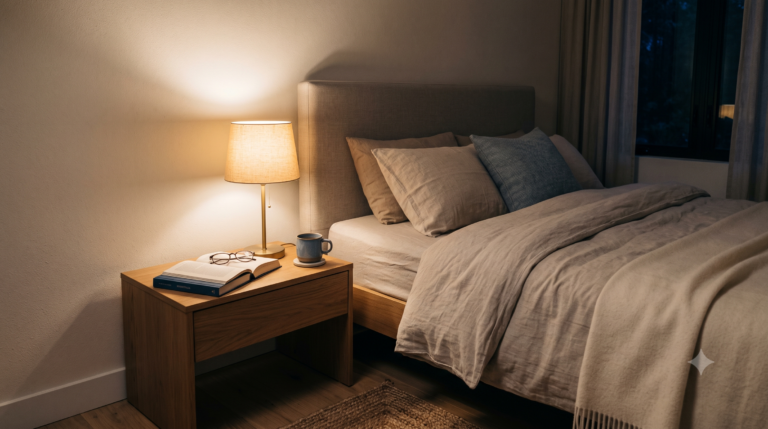
How to Reduce Allergens in the Bedroom for Better Sleep
Allergic reactions to dust mites, pet dander, pollen, and mold are common triggers of nighttime stuffiness, sneezing, or itchy eyes for many people. While allergies are a health matter, there are practical, non-medical steps you can take in the bedroom to lower allergen sources and make sleep more comfortable.
The tips below focus on cleaning habits, humidity and ventilation, fabric and flooring choices, and small investments in air management that many people find helpful. These suggestions are general guidance and not a substitute for medical care.
Quick Answer
Reduce allergens by laundering bedding often, controlling humidity, minimizing dust-trapping textiles, improving ventilation or using an air filter, and keeping a simple, regular cleaning routine.
Table of Contents
- Common bedroom allergens
- Bedding and fabrics: wash and choose wisely
- Floors, furniture, and clutter
- Air, ventilation, and humidity
- Cleaning routines and tools
- When to see a doctor and important disclaimers
- Common mistakes
- FAQ
- Bottom Line
Common bedroom allergens
Bedrooms often concentrate a few familiar allergens. Dust mites live in warm, humid microenvironments and feed on shed skin, so they cluster in mattresses, pillows, and soft bedding. Pet dander can cling to fabrics and carpets, while pollen and outdoor spores can enter on clothing or through open windows. Mold may appear where condensation or dampness is present. Identifying likely sources in your own space helps prioritize steps that will make the biggest difference.
Bedding and fabrics: wash and choose wisely
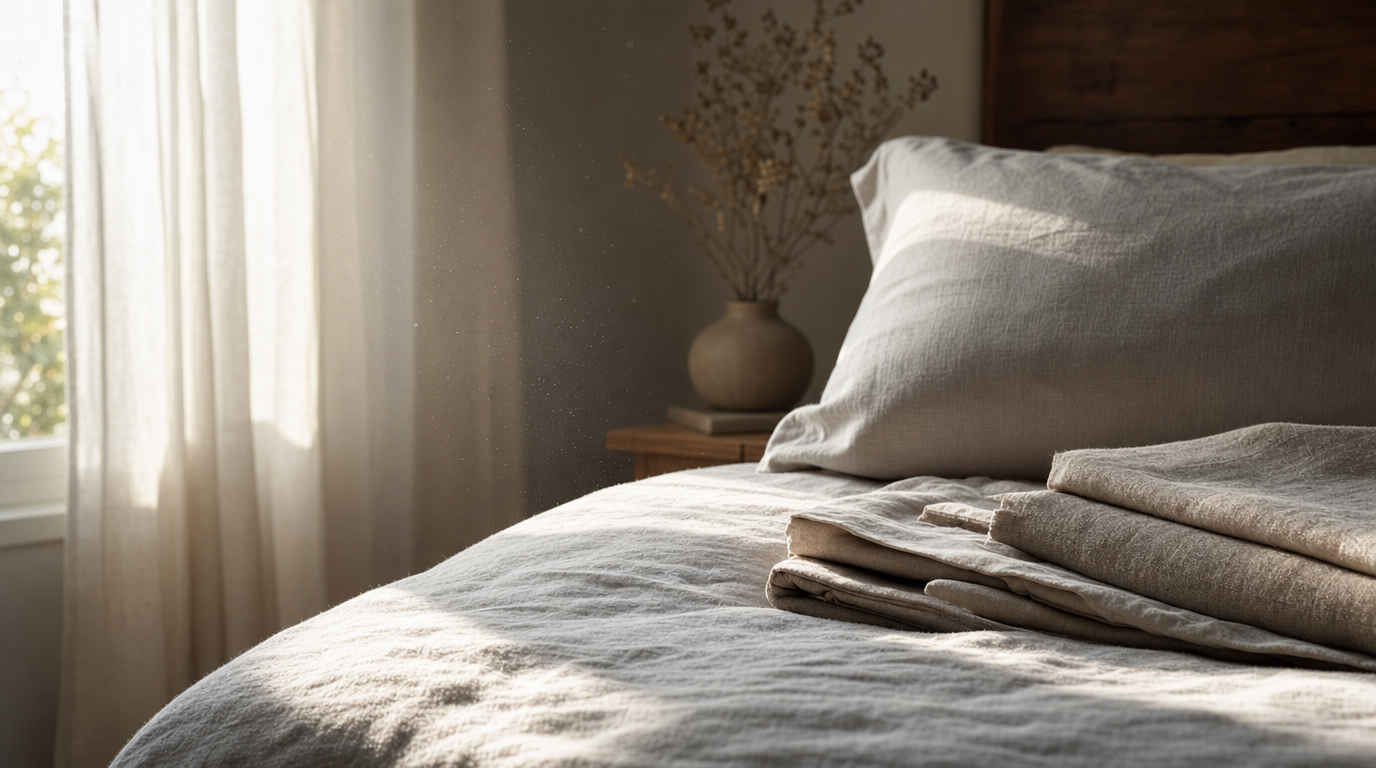
Regular laundering is one of the easiest ways to reduce allergens on surfaces you touch every night. Many people find washing sheets, pillowcases, and duvet covers on a consistent schedule reduces visible dust and surface irritants. Choose tightly woven fabric for pillow covers and consider simpler bedding layers that are easier to wash. For items that can’t be washed often (mattress pads, certain decorative pillows), using removable, washable covers can help keep allergens away from sleeping surfaces.
Floors, furniture, and clutter
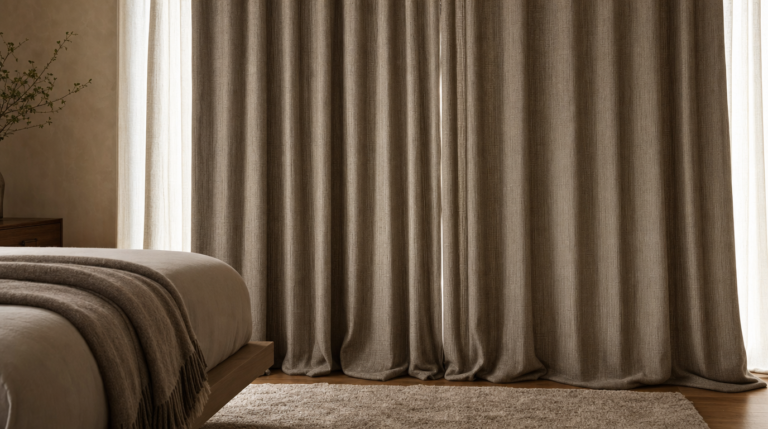
Carpets and heavy drapes trap dust and dander more than hard floors and minimal window coverings. If you have carpets, more frequent vacuuming with a machine that has a good sealed filtration system can reduce surface allergens. Decluttering surfaces and minimizing fluffy, hard-to-wash items in the bedroom lowers places where dust builds up. Upholstered furniture and open shelves collect particles, so routine wiping and spot cleaning are useful strategies.
Air, ventilation, and humidity
Allergens are affected by the air and moisture in the room. Controlling humidity tends to make a noticeable difference: dust mites and mold generally prefer higher humidity, so keeping indoor relative humidity in a moderate range may reduce their numbers. Opening windows briefly for ventilation can help when outdoor air quality allows, and using a mechanical fan or an air filter with a HEPA-style filter may lower airborne particles overnight. Each bedroom is different, so monitor what feels most comfortable and reduces symptoms.
Cleaning routines and tools
Establishing simple, regular cleaning habits is often more practical than infrequent deep cleans. Weekly laundering of bedding, targeted vacuuming or sweeping, and dusting with a damp cloth can cut down on visible allergens. Consider tools that reduce airborne dust when you clean (for example, vacuums with sealed filtration). For hard-to-clean items, spot cleaning or using washable covers can keep maintenance manageable.
When to see a doctor and important disclaimers
If you have persistent or severe allergy symptoms—such as trouble breathing, recurring sinus infections, or symptoms that interfere with sleep—it’s reasonable to talk to a healthcare professional. RestWell HQ content is educational and not medical advice; see our medical disclaimer and editorial policy for more on how our guidance is produced. A clinician can help determine whether allergy testing or additional treatments are appropriate.
Common mistakes
- Only focusing on deep cleans instead of keeping a consistent, simple routine.
- Assuming all fabrics are equally easy to clean—some decorative items trap allergens more than plain sheets.
- Neglecting humidity control, which can make dust mites and mold worse.
- Relying solely on open windows in high-pollen seasons without checking outdoor air quality.
- Using harsh-sounding marketing claims about products instead of checking practical care instructions and fit for your space.
FAQ
What are the main allergens found in bedrooms?
Common bedroom allergens include dust mites (in bedding and mattresses), pet dander, pollen tracked in on clothing, and mold in damp areas. Identifying the most likely sources in your room helps you target cleaning and control steps.
How often should I wash my bedding to reduce allergens?
Many people find washing sheets and pillowcases on a regular weekly to biweekly schedule helpful, while duvet covers and mattress protectors can be washed as often as their care instructions allow. Focus on what’s practical and consistent for you.
Will a HEPA air filter help with bedroom allergens?
An air filter with high-efficiency particulate capture can reduce airborne particles and may ease symptoms for some people, especially if placed and sized appropriately for the room. It’s one part of a broader strategy including cleaning and humidity control.
Does humidity affect dust mites and mold?
Yes—dust mites and many molds prefer higher humidity. Keeping indoor humidity in a moderate range can make the environment less hospitable to those allergens, but the exact comfortable range varies by person and climate.
Are hypoallergenic covers and materials worth it?
Allergen-proof or tightly woven covers can reduce exposure to dust mites and may help some sleepers, particularly when used together with regular laundering and humidity management. They’re most helpful as part of a combined approach rather than a single solution.
Bottom Line
Reducing bedroom allergens usually means combining small, regular habits—washing bedding, limiting dust-holding textiles, controlling humidity, and improving air flow—rather than relying on one single change. Many people notice better nighttime comfort when they make a few manageable adjustments and stick with them.
For more practical steps related to bedding care and room air, see How Often Should You Wash Your Bedding, learn about moisture and indoor air in How Humidity Affects Sleep Quality, and explore broader lifestyle ideas at How to Sleep Better Naturally.