Cooling sheets vs cooling pillow: which matters more for sleep?
Many people look to cooling bedding when they want to feel less warm at night. Cooling sheets and cooling pillows both aim to reduce surface heat, but they work on different places and in different ways.
This article compares what cooling sheets and cooling pillows do, when one might matter more than the other, and how bedroom context and materials affect effectiveness.
Quick Answer
Cooling sheets tend to influence overall skin contact and sleep-surface temperature, while a cooling pillow mainly affects head and neck heat. Which matters more depends on whether you overheat at the torso or at the head, plus room temperature, mattress, and sleep position.
Table of Contents
- How cooling bedding works
- Cooling sheets vs cooling pillow: what each does best
- When cooling sheets matter more
- When a cooling pillow matters more
- Materials, fit, and bedroom context
- When to talk to a doctor
- Common mistakes
- FAQ
- Bottom Line
How cooling bedding works
Cooling bedding generally reduces perceived heat by changing how heat moves away from your body. Some fabrics wick moisture, some increase airflow through the weave, and some are treated or constructed to feel cooler to the touch. A pillow and a sheet contact very different parts of the body, so their effects are complementary rather than identical.
Cooling sheets vs cooling pillow: what each does best
Cooling sheets cover the mattress and touch large areas of skin. They influence how warm your torso, legs, and arms feel and can change how heat builds up between you and the mattress. A cooling pillow primarily affects the head and face, where heat exchange and sweat patterns differ from the rest of the body. Choosing one or both depends on which body area is causing discomfort.
When cooling sheets matter more
Cooling sheets may be more helpful if you tend to feel hot across your body, sweat on your torso, or if your mattress traps heat. They also often make a noticeable difference when room temperature or humidity is the main contributor to overheating. Think of sheets as affecting overall bed microclimate rather than just the head zone.
When a cooling pillow matters more
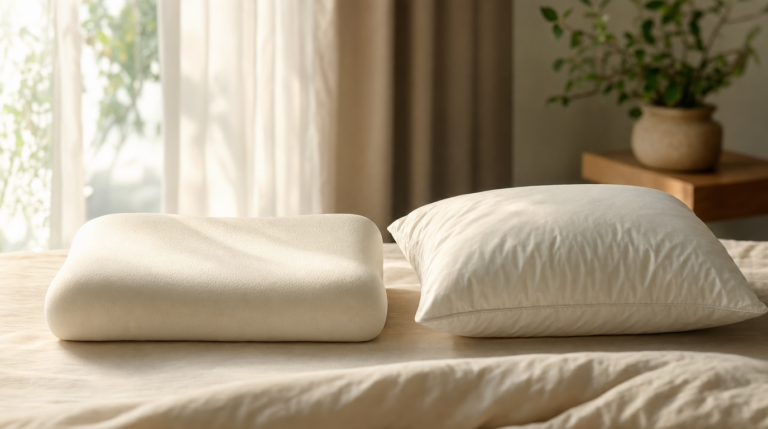
A cooling pillow can be the priority if you wake feeling hot around your face or neck, if your head seems to run warmer than the rest of you, or if you sleep primarily on your back or side and notice head-specific heat buildup. Because the head is a key area for temperature sensing, changing pillow properties may improve perceived coolness even when sheets remain the same.
Materials, fit, and bedroom context
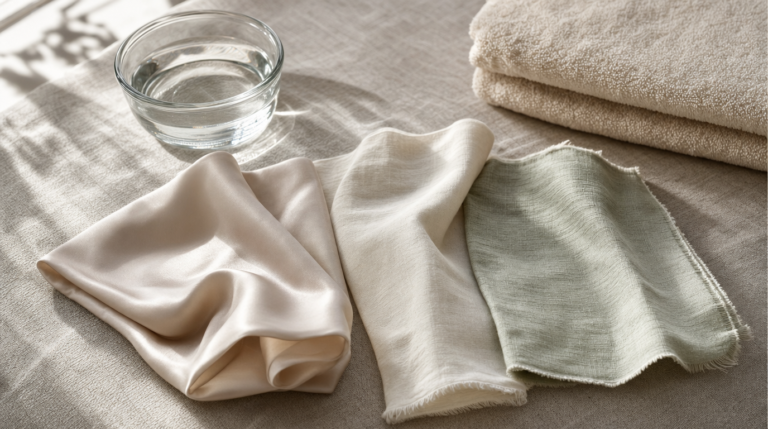
Material matters: breathable weaves, natural fibers, and moisture-wicking constructions often perform differently in practice. Fit matters too—sheets that bunch or a pillow that traps heat under a high-loft cover can reduce intended cooling effects. Finally, bedroom factors like room temperature, mattress type, humidity, and fans will shape whether sheets or a pillow make the biggest difference.
When to talk to a doctor
Occasional night sweats or feeling warm does not always mean a medical problem, but persistent, unexplained, or severe night sweats deserve a conversation with a clinician. If you suspect an underlying health condition, hormone changes, or medication side effects are causing night sweats or sleep disruption, many people find it helpful to seek medical advice. For information about our approach to health content see Medical Disclaimer and Editorial Policy.
Common mistakes
- Assuming one cooling item will fix overheating without addressing room temperature or mattress heat retention.
- Focusing only on label claims instead of feel, breathability, and real-world fit.
- Using a high-loft pillow cover that negates a pillow’s cooling surface.
- Neglecting maintenance—dirty or clogged fabrics can reduce breathability.
- Expecting the same result across all sleep positions and body types.
FAQ
Do cooling sheets or a cooling pillow cool you more?
It depends on where you feel warm. Sheets affect more skin area and the bed microclimate, while a cooling pillow targets the head. Many people find the two work best together.
Can cooling bedding help with night sweats?
Cooling bedding can reduce surface heat and make sleep feel more comfortable, but persistent night sweats might have medical causes and are worth discussing with a clinician.
Are certain materials noticeably better for cooling?
Breathable weaves and moisture-wicking fabrics often feel cooler for many people. Personal preference and fit influence perceived cooling as much as the listed material.
Will cooling sheets work if my room is very hot?
Cooling sheets can help but have limits; if the room is hot, addressing room temperature or increasing airflow will usually be important too.
How often should I wash cooling sheets and pillows?
Regular washing helps maintain breathability and comfort. Follow manufacturer care instructions, and wash bedding often enough to stay fresh and breathable for you.
Bottom Line
Cooling sheets and cooling pillows serve different roles: sheets shape the bed microclimate and touch more skin, while pillows focus on head and neck comfort. Which matters more depends on where you overheat, your room conditions, and mattress behavior. Many people find pairing a breathable sheet with a cooler-feeling pillow gives the most noticeable improvement. For related guidance, see Does a Cooling Pillow Help You Sleep Cooler?, How to Sleep Better in Hot Weather, and How Humidity Affects Sleep Quality.