How to Use a Sunrise Alarm Clock: Setup Guide
For a separate guide to comparing sunrise alarm clock features, read the Sunrise Alarm Clock Overview.
Quick Answer
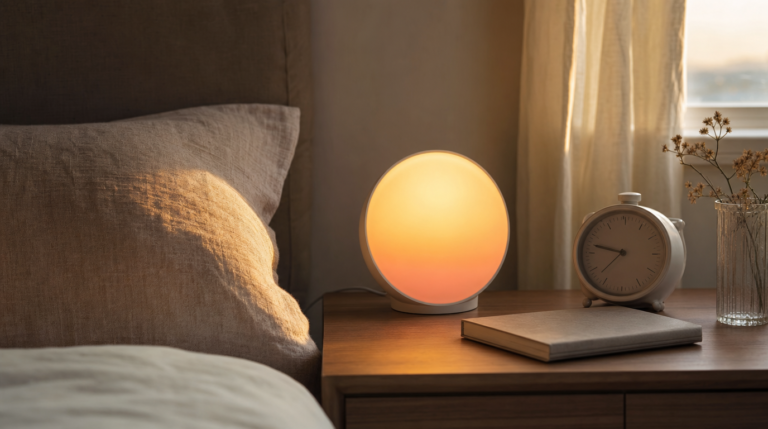
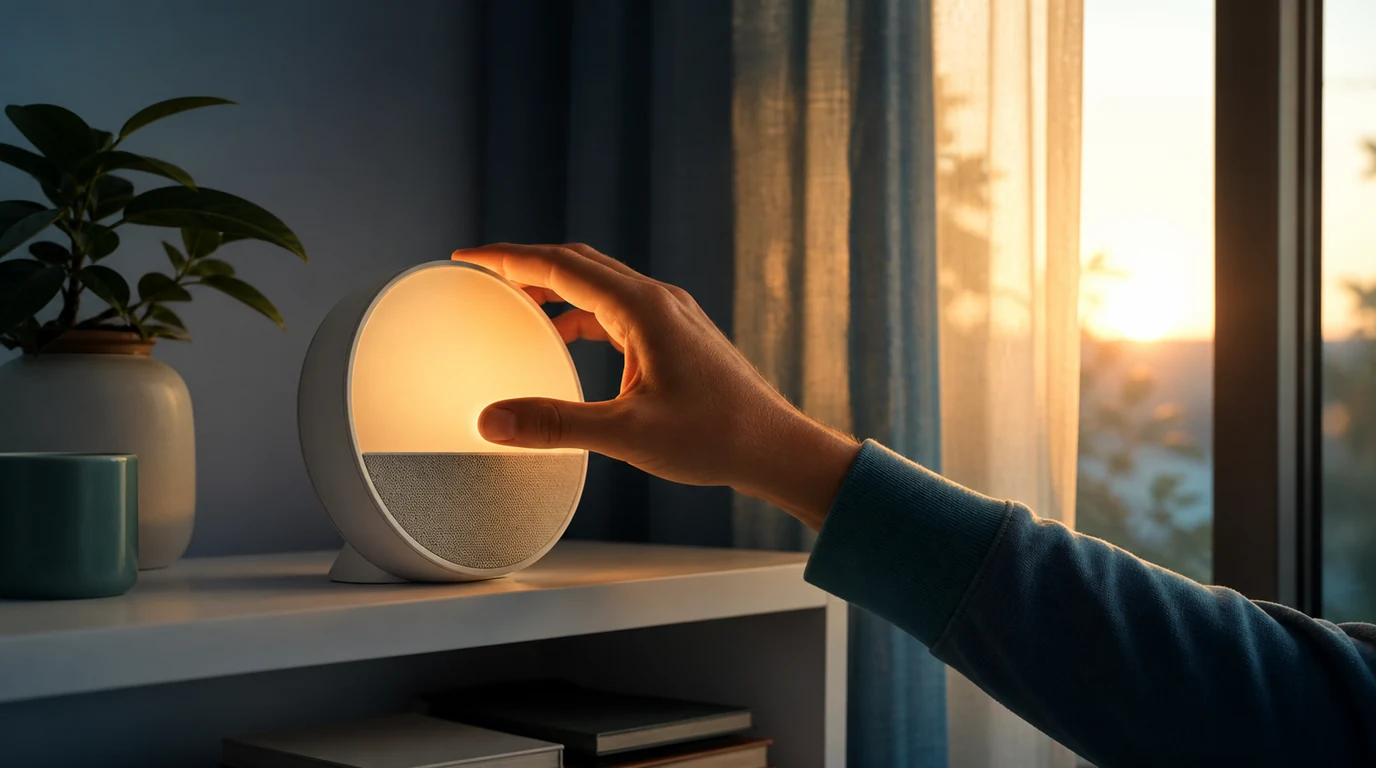
A sunrise alarm clock is a wake-up device that gradually brightens before your alarm time. The idea is to make the room lighter before the sound alarm begins, so waking may feel less abrupt for some people. It is not the same as morning sunlight, and it is not a medical treatment. Think of it as a routine tool that can support a more predictable wake-up cue, especially in dark rooms, winter mornings, or bedrooms where natural light is limited.
To use one well, place it where the light can reach your face without feeling harsh, start with a gentle brightness setting, choose a realistic wake window, and keep your wake time consistent enough to learn whether the device helps. A sunrise alarm clock works best when paired with a stable sleep schedule, a calm night routine, and real morning light when possible.
If you have persistent, severe, or concerning sleep or mood issues, speak with a qualified healthcare professional. This guide is general education and product literacy, not medical advice.
Table of Contents
- What a Sunrise Alarm Clock Does
- Dawn Simulation, Explained Simply
- Sunrise Alarm Clock vs Standard Alarm
- How to Set One Up
- Feature Checklist
- Sunrise Alarm vs Morning Sunlight
- Who May Find One Useful
- Limitations
- FAQ
What a Sunrise Alarm Clock Does
A sunrise alarm clock, sometimes called a wake-up light, slowly increases light before your chosen alarm time. Instead of going from a dark room to a sudden sound, the room gradually becomes brighter. Many devices also include an audible alarm, nature sounds, dimming features, or a sunset-style wind-down mode.
The purpose is not to replace sleep. It is to make the wake-up moment less abrupt and more routine-based. If your current alarm startles you awake in a dark room, a sunrise alarm may be worth testing. If your main issue is going to bed too late, inconsistent sleep timing, caffeine, stress, or a noisy room, the device may not address the root problem.
RestWell HQ treats sunrise alarm clocks as sleep product education, not as a promise. A device can support a routine, but it cannot guarantee easy waking for everyone. For schedule basics, read Best Time to Sleep and Wake Up and How to Fix a Sleep Schedule.
Dawn Simulation, Explained Simply
Dawn simulation means a device tries to imitate the gradual increase of light that happens around sunrise. It is not identical to outdoor daylight. Real sunlight is brighter, broader, and tied to the actual outdoor environment. A sunrise alarm clock is a smaller indoor cue.
That cue may still be useful because light is one of the major signals that helps the body understand day and night. In practical terms, a brighter morning environment may help some people feel more oriented when it is time to wake. This is especially relevant when the bedroom stays dark because of blackout curtains, winter mornings, early work schedules, or limited windows.
The cautious framing matters. A sunrise alarm clock should not be described as a cure for sleep disorders, depression, insomnia, or fatigue. It is a light-based routine tool. If morning light is the broader topic you want to understand, start with Morning Sunlight and Sleep.
Sunrise Alarm Clock vs Standard Alarm
A standard alarm is mainly a sound cue. It tells you wake time has arrived. A sunrise alarm clock adds a light cue before that sound. The difference is not that one is always better. The difference is how the wake-up signal reaches you.
| Wake tool | How it works | Best for | Limitations |
|---|---|---|---|
| Standard alarm | Uses sound at a set time | Simple wake-up reminder | Can feel abrupt, especially in a dark room |
| Phone alarm | Uses sound, vibration, or both | Convenience and backup alarms | Can keep the phone too close to bed |
| Sunrise alarm clock | Gradually brightens before sound | Dark rooms, winter mornings, gentler wake routines | May not be bright enough or helpful for everyone |
| Morning sunlight | Uses real outdoor light exposure | Daily rhythm support when practical | Weather, schedule, season, and location can limit access |
Many people still use a sound alarm as a backup. That is sensible. A sunrise alarm clock can reduce the shock of waking, but relying on light alone may not work for every sleeper, room, or schedule.
How to Set Up a Sunrise Alarm Clock
The setup matters more than many product pages suggest. A sunrise alarm that faces the wrong direction, sits too far away, starts too late, or shines too harshly may not feel useful. Start with a simple test rather than assuming the default settings are right.
1. Place the Light Where It Can Reach You
The device should be visible from your normal sleep position. It does not need to shine aggressively into your eyes, but it should brighten the area enough that the room changes before the alarm sound. A shelf, dresser, or bedside surface can work if the angle is right. Avoid placing it behind objects, under shelves, or facing away from the bed.
2. Choose a Realistic Wake Window
Many devices allow a gradual brightening period, such as a shorter or longer simulated sunrise. Start with a middle setting if you are unsure. Too short may feel like a regular alarm with extra light. Too long may brighten the room earlier than you want.
3. Start With Moderate Brightness
Brighter is not automatically better. The goal is a wake cue that feels usable. If the light feels harsh, you may start avoiding the device. If it is too dim, it may not make a noticeable difference. Test one brightness level for several mornings before changing everything.
4. Keep a Backup Alarm
At least during the first week, use a backup alarm. This removes pressure from the experiment. You can notice whether the light helps without worrying that you will oversleep if it does not.
5. Keep Your Wake Time Consistent Enough to Learn
If the wake time changes dramatically every day, it will be harder to tell whether the device helps. You do not need a perfect schedule, but consistency improves the usefulness of the test. For a schedule reset, see How to Fix a Sleep Schedule.
Sunrise Alarm Clock Feature Checklist
Before comparing products, decide what actually matters for your room and routine. Avoid turning the decision into a list of every feature. More features can mean more control, but they can also make the device harder to use.
| Feature | Why it matters | Question to ask |
|---|---|---|
| Adjustable brightness | Lets you avoid light that is too dim or too harsh | Can I fine-tune the light for my room? |
| Sunrise duration | Controls how gradually the room brightens | Can I choose a short or longer wake window? |
| Sound options | Provides a backup or final wake cue | Are sounds gentle, clear, and not annoying? |
| Display dimming | Prevents the clock face from adding unwanted night light | Can I dim or turn off the display? |
| Controls | Affects daily use | Can I set it without fighting the interface? |
| Size and placement | Determines whether the light reaches you | Will it fit where the light angle works? |
| App connection | May add convenience but also complexity | Do I actually want another app near bedtime? |
Sunrise Alarm Clock vs Morning Sunlight
A sunrise alarm clock is not the same as going outside or getting real morning light. Outdoor light is usually much stronger and more naturally tied to the day. A device is controlled, convenient, and available when the room is dark, but it is still an indoor substitute.
For many readers, the best approach is not either-or. A sunrise alarm can make waking less abrupt. Morning light, when available and practical, can reinforce the start of the day. If you use both, keep the device simple and try to get natural light after waking when your schedule and weather allow.
If late-night light is a bigger issue than morning light, review Does Blue Light Affect Sleep?. Morning light and evening light are different parts of the same overall timing environment.
Who May Find a Sunrise Alarm Clock Useful
A sunrise alarm clock may be worth testing if you wake in a very dark room, dislike sudden alarm sounds, live somewhere with dark winter mornings, use blackout curtains, or want a more consistent wake cue. It may also be useful if you are trying to move your morning routine away from phone-first behavior.
It may be less useful if you already wake easily with natural light, if your schedule changes too much for a set wake time, or if you are extremely sensitive to light before you want to wake. It may also be unnecessary if the main issue is going to bed too late. In that case, a stronger evening routine may matter more. See Night Routine for Better Sleep.
Limitations to Keep in Mind
A sunrise alarm clock can be helpful without being powerful enough to solve a sleep problem by itself. If you are sleeping too little, drinking caffeine late, using bright screens in bed, staying up far past your target bedtime, or waking frequently for unrelated reasons, the clock is only one small part of the system.
It also needs to fit your room. A large room, blocked angle, very bright outdoor light, or shared sleeping space can affect usefulness. If someone else sleeps in the room, the gradual light may wake them too. This is not a flaw, but it is a practical constraint.
Product claims should be treated carefully. Avoid assuming a device is better because it uses dramatic wellness language. Look for practical controls, a return policy, reliable settings, display dimming, and a setup that matches your room.
7-Day Sunrise Alarm Test
- Choose one wake time you can keep for most of the week.
- Place the device where the light reaches your face indirectly.
- Set a moderate brightness and a realistic sunrise duration.
- Use a backup sound alarm.
- Keep the display dim or off at night.
- Track whether waking feels calmer, unchanged, or more annoying.
- Adjust only one setting at a time.
- Pair the device with real morning light when practical.
- Stop using it if it disrupts you or your room partner.
What to Track During the First Week
A sunrise alarm clock is easier to evaluate when you track simple observations instead of expecting a dramatic result. Each morning, notice whether you woke before the sound, whether the light felt too bright or too dim, whether the sound felt necessary, and whether you reached for your phone immediately. These details are more useful than asking whether the device “worked” in a vague way.
Also track the night before. If you went to bed late, drank caffeine late, worked in bright light, or had a stressful evening, the morning may feel difficult for reasons the device cannot solve. This is why sunrise alarms should be tested alongside a consistent routine, not as a replacement for one.
After a week, keep the settings that felt calm and remove the ones that added friction. If the light helped but the sound was irritating, change the sound. If the display made the room too bright at night, dim or cover it if the device allows. If the device made no difference, it may not be the right tool for your room or schedule.
Phone Alarm Replacement or Backup?
One practical benefit of a sunrise alarm clock is that it may help move the phone away from the bed. That can reduce late-night scrolling, morning notification checking, and the habit of using the phone as both entertainment and alarm. For some readers, this behavioral change matters more than the light itself.
During the first test, keep a phone alarm or other backup across the room if needed. Once you trust the setup, you can decide whether the sunrise alarm becomes the primary alarm or remains part of a layered morning system. The goal is a morning routine that feels reliable, not a device that creates anxiety about oversleeping.
FAQ
Does a sunrise alarm clock really work?
It may help some people create a gentler wake routine, especially in dark rooms. It does not work for everyone and should not be treated as a cure or medical treatment.
Is a sunrise alarm clock better than a phone alarm?
It depends on the problem. A phone alarm is simple and portable. A sunrise alarm adds gradual light and may help reduce phone use near bed. Many people still keep a phone alarm as backup.
Can I use a sunrise alarm clock with blackout curtains?
Yes. That is one common use case. Blackout curtains keep unwanted light out at night or early morning, while the device creates a controlled light cue at your chosen wake time.
Where should I place a sunrise alarm clock?
Place it where the light can reach your face from your normal sleep position without shining harshly. Test the angle before relying on it.
Can a sunrise alarm clock replace morning sunlight?
No. It can be a useful indoor cue, but it is not identical to outdoor light. Use real morning light when practical and safe for your schedule.
Should I buy the brightest model?
Not automatically. Adjustable brightness, placement, usability, and display dimming may matter more than choosing the brightest device.
Bottom Line
A sunrise alarm clock can be a useful product if your mornings feel too abrupt, your room is dark, or you want a more consistent wake cue. It works best as part of a routine: steady wake time, less phone dependence, a calmer night routine, and morning light when possible. It should not be framed as a medical solution or a guaranteed fix. Test it like a practical tool, not a promise.