Sleep Schedule for Shift Workers
Shift work, especially night shifts and rotating schedules, puts sleep at odds with the body’s natural light-driven rhythm. This does not mean good sleep is impossible on a non-traditional schedule, but it usually requires more deliberate management of light, timing, and environment than a standard 9-to-5 schedule does.
This guide covers practical ways to protect sleep quality around night and rotating shifts, common mistakes that make adjustment harder, and when persistent sleep problems from shift work are worth medical attention.
Quick Answer
Shift workers generally sleep better with a consistent sleep schedule even on days off, a fully darkened bedroom for daytime sleep, strategic light exposure (bright light during a night shift, sunglasses on the commute home), and a wind-down routine that treats daytime sleep as seriously as nighttime sleep. This is general comfort and routine guidance, not a substitute for medical care if sleep problems are severe or persistent.
Table of Contents
- Why shift work makes sleep harder
- Managing light exposure around your shift
- Creating a daytime sleep environment
- Naps and shift work
- Staying consistent on days off
- When shift work sleep problems need medical attention
- Common mistakes
- FAQ
Why shift work makes sleep harder
The body’s internal clock is heavily influenced by light and darkness, and it naturally expects sleep at night and wakefulness during the day. Night and rotating shifts ask the body to do the opposite, which many people find makes sleep lighter, shorter, and easier to disrupt by daytime noise and light, even when they are genuinely tired.
This is a normal physiological mismatch, not a personal failure to “adjust properly.” Some people adapt more easily than others, and rotating shifts tend to be harder to adjust to than a fixed night schedule.
Managing light exposure around your shift
- Seek brighter light during the first part of a night shift to help signal alertness to your body.
- Wear sunglasses on the commute home after a night shift to reduce morning light exposure, which can otherwise make it harder to fall asleep once home.
- Dim lights in the hour before your daytime sleep period, similar to a nighttime wind-down.
- Get natural daylight exposure during your true “morning” (whenever that falls in your schedule) to help reinforce your adjusted rhythm.
Creating a daytime sleep environment
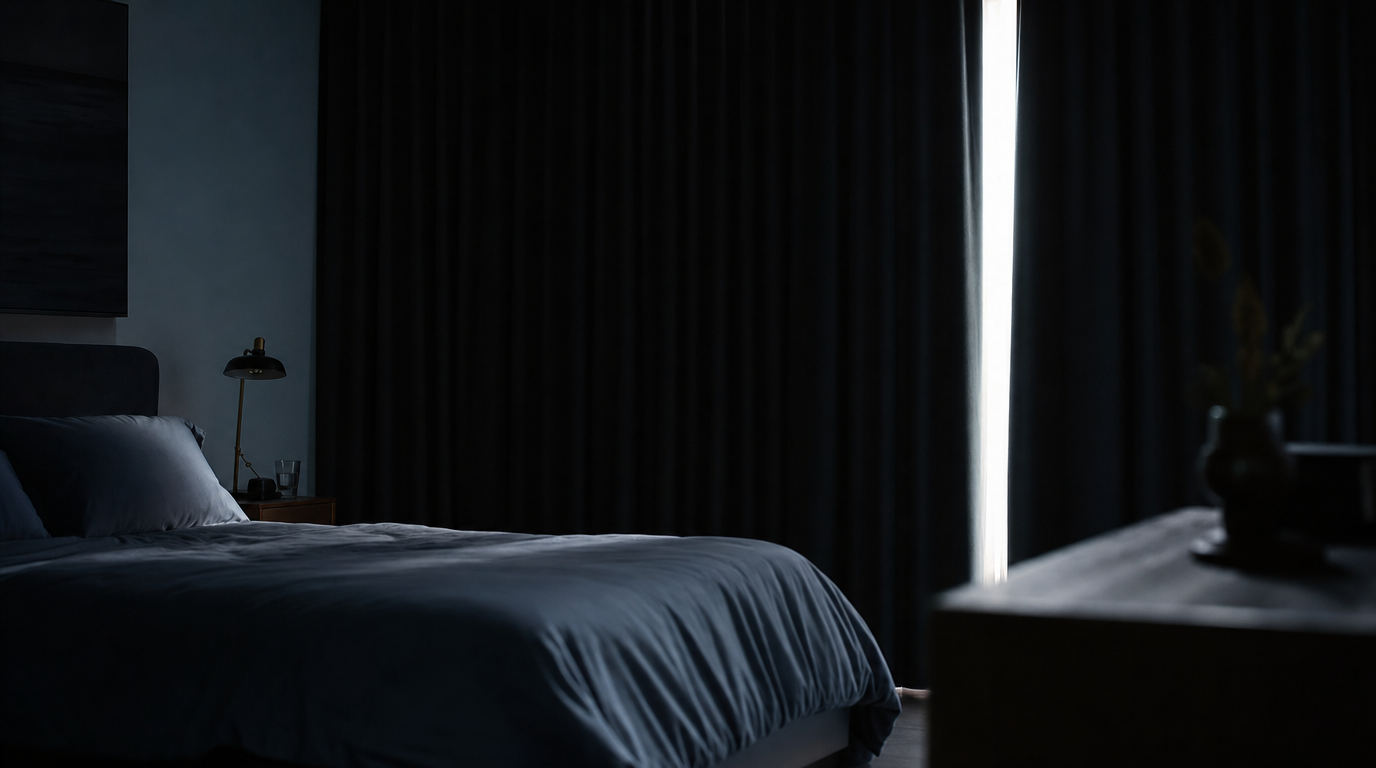
Daytime sleep has to compete with daylight, household noise, and other people’s schedules, so the environment usually needs more deliberate control than nighttime sleep does. Blackout curtains or a sleep mask are especially useful for shift workers — see How to Make Your Bedroom Darker for Better Sleep. White noise or earplugs can also help mask daytime household and street noise; see White Noise for Sleep: Does It Really Help?
Letting household members know your sleep hours, using a “do not disturb” sign, and turning off phone notifications during your sleep window can also reduce interruptions that a typical daytime schedule doesn’t have to account for.
Naps and shift work
Short naps before a night shift, or during a break if your workplace allows it, can help offset some of the sleep debt that builds up on a night schedule. For general nap-length guidance, see How Long Should a Nap Be? A short nap is generally easier to recover from than a long one right before a shift.
Staying consistent on days off
It can be tempting to flip back to a daytime schedule on days off to spend time with family or friends, but many shift workers find that frequently switching schedules makes adjustment harder overall. Keeping sleep and wake times closer to your work schedule, even on days off, tends to make the transition back to your next shift smoother, though this is a personal trade-off between social schedule and sleep consistency.
When shift work sleep problems need medical attention
Some difficulty adjusting to shift work is common and expected. It is worth talking to a doctor if sleep problems are severe, if you experience excessive sleepiness that affects safety (especially while driving), or if fatigue and mood changes persist despite trying to manage light, environment, and schedule consistency. Persistent shift work sleep difficulty is a recognized medical concern in some cases and deserves direct evaluation.
RestWell HQ content is written for general education. Read the Medical Disclaimer and Editorial Policy for more detail.
Common mistakes
- Sleeping in a room that isn’t fully darkened during the day.
- Flipping entirely back to a daytime schedule on every day off.
- Skipping a pre-shift nap and relying only on caffeine to get through a night shift.
- Getting bright light exposure right before trying to sleep after a night shift.
- Ignoring persistent excessive sleepiness, especially while driving, instead of raising it with a doctor.
FAQ
How can shift workers sleep better during the day?
A fully darkened room, reduced noise, and a consistent wind-down routine before daytime sleep are common starting points. Blackout curtains and white noise or earplugs are especially useful for shift workers.
Should shift workers keep the same schedule on days off?
Many shift workers find it easier to stay closer to their work schedule on days off, since frequently switching back and forth can make adjustment harder. This is a personal trade-off between social time and sleep consistency.
Do naps help with night shift work?
Short naps before a shift or during a break can help offset sleep debt built up on a night schedule. Shorter naps are generally easier to recover from than long ones right before working.
Why is rotating shift work harder on sleep than a fixed night shift?
Rotating shifts require the body to keep readjusting its internal clock, while a fixed night shift allows for a single, more stable adjustment over time. Many people find rotating schedules more disruptive as a result.
When should shift work sleep problems be evaluated by a doctor?
If sleep problems are severe, if excessive sleepiness affects safety, or if fatigue and mood changes persist despite adjusting light and schedule habits, it’s worth discussing with a doctor rather than continuing to self-manage.
Bottom Line
Shift work sleep takes more deliberate management than a standard schedule, but a darkened daytime bedroom, strategic light exposure, and schedule consistency can meaningfully help. Severe or persistent sleep problems from shift work deserve medical attention rather than ongoing self-management alone.
For daytime darkness specifically, see How to Make Your Bedroom Darker for Better Sleep. For noise management, see White Noise for Sleep: Does It Really Help? And for nap timing, see How Long Should a Nap Be?