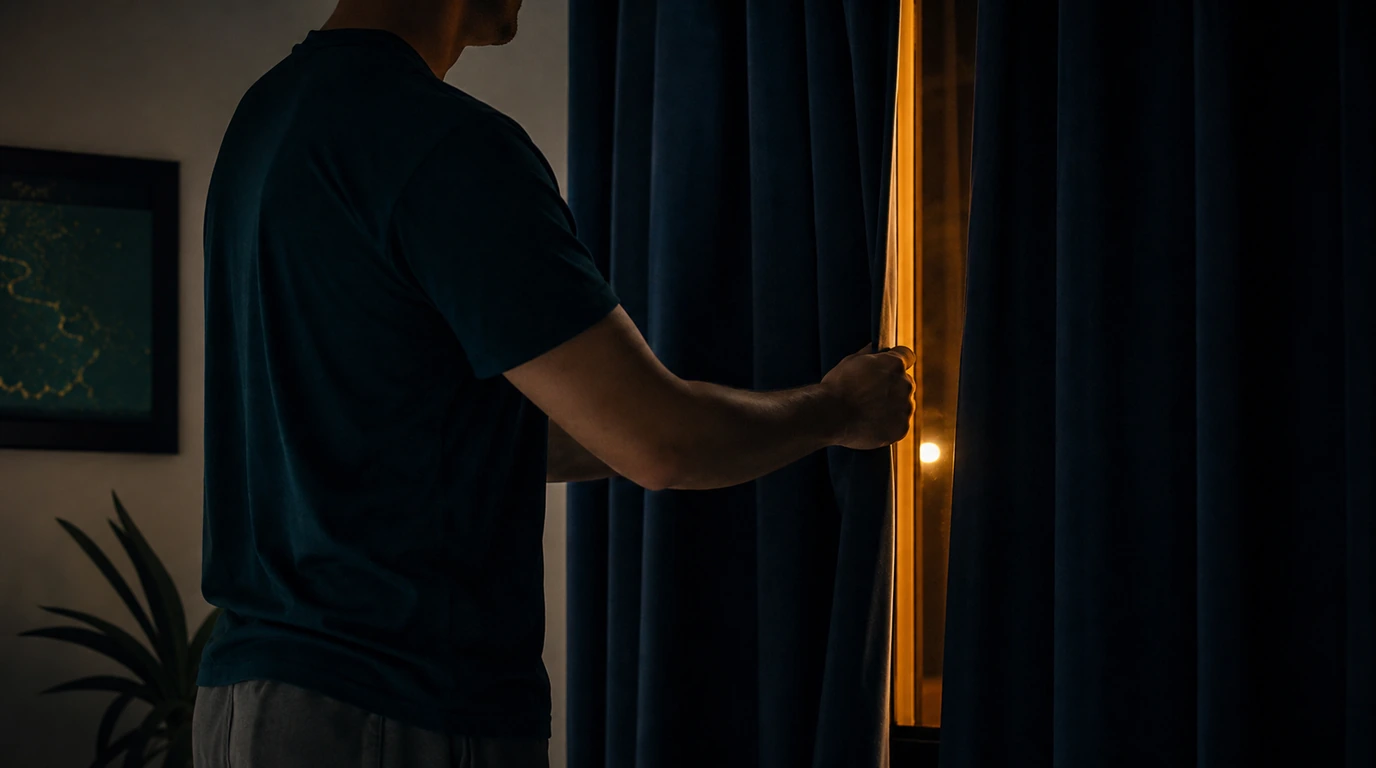
How to Make Your Bedroom Darker for Better Sleep
Quick Answer
To make your bedroom darker for better sleep, start by finding the light sources that actually reach your eyes at night: windows, hallway light, electronics, door gaps, chargers, alarm clocks, and early morning sun. Then fix the biggest sources first. In many rooms, blackout curtains or shades, covering small LEDs, closing door gaps, moving bright electronics, and using a comfortable sleep mask can make the room feel calmer without turning the project into a full renovation.
A darker room is not a cure for sleep problems, and it will not solve every cause of restless nights. It is one part of a practical sleep environment. Pair darkness with a consistent routine, a comfortable temperature, and lower evening stimulation. If sleep problems are persistent, severe, or affecting daily life, speak with a qualified healthcare professional.
Table of Contents
- Why a Darker Bedroom Can Help
- Do a Light Leak Audit
- What to Fix First
- Make Windows Darker
- Block Door and Hallway Light
- Reduce Electronic Light
- When a Sleep Mask Makes Sense
- 7-Day Bedroom Darkness Plan
- FAQ
Why a Darker Bedroom Can Help
Light is one of the strongest cues your environment gives you. During the day, light helps signal alertness and timing. At night, a room that stays bright can make it harder to create a clear boundary between daytime activity and sleep. This is why bedroom darkness belongs in the same conversation as routine, temperature, caffeine timing, screens, and noise.
The goal is not to make your room dramatic or uncomfortable. The goal is to reduce light that keeps pulling your attention back into wake mode. A tiny charger LED may not matter to one person, while another person notices it every time they turn over. Streetlights may be irrelevant if your bed faces away from the window, but very noticeable if the light lands directly across your pillow. The best approach is practical: fix what you can actually see and feel.
If your main issue is evening screen exposure, read Does Blue Light Affect Sleep?. If your schedule feels misaligned, pair this article with Best Time to Sleep and Wake Up. Darkness works best as one layer of a routine, not as a standalone trick.
Do a Light Leak Audit Before You Buy Anything
Before buying curtains, blinds, masks, or accessories, spend five minutes in your room after dark. Turn off the lights you normally turn off. Leave the room exactly as it is when you try to sleep. Then look around slowly from your pillow position.
Most people discover that their bedroom light problem is not one big issue. It is a collection of small leaks. A hallway glow under the door. A modem light across the room. A bright alarm display. A streetlight around the edge of the curtain. A bathroom night light that feels harmless until the room is otherwise dark. A laptop charger, humidifier display, power strip, or smart speaker light.
Write the sources down in order of annoyance. You are not trying to create a perfect blackout room in one evening. You are trying to identify the two or three light sources that are most likely to disturb the room. This keeps the project focused and prevents unnecessary spending.
What to Fix First
| Light source | What it can feel like | Simple first fix | Possible upgrade later |
|---|---|---|---|
| Streetlight or outdoor light | A bright edge around curtains or a beam across the bed | Reposition curtains, add temporary blackout liner, move bed if practical | Blackout curtains, blackout shades, smart blinds |
| Hallway light under the door | A strip of light that stays visible from bed | Use a door draft stopper or rolled towel | Door sweep or light-blocking seal |
| Electronics LEDs | Small points of light that draw attention | Move, turn, unplug, or cover the LED | LED dimming stickers or better device placement |
| Phone or alarm display | A glowing surface near the pillow | Face it down or move it away from the bed | Dim alarm clock or sunrise alarm with adjustable display |
| Early morning sun | Room brightens before intended wake time | Close gaps and layer window covering | Blackout shade plus curtain combination |
| Travel or shared room light | Limited control over the room | Comfortable sleep mask | Higher-quality sleep mask or portable clips |
Make Windows Darker Without Overcomplicating It
Windows are usually the biggest source of bedroom light. They can bring in streetlights at night and sunlight in the morning. The right fix depends on whether you own the space, rent the space, share the room, or need a temporary solution.
Start With Curtain Placement
Many curtains fail because they are too narrow, too short, or mounted too close to the window frame. Light often enters from the top, sides, and bottom. If you already have curtains, check the edges before replacing them. A wider rod, more fabric overlap, or a better side return can sometimes make a visible difference.
If you are choosing new curtains later, focus on fit and coverage before marketing language. A curtain that looks nice but leaves a bright side gap may not solve the problem. The best setup for many rooms is layered: a shade or blind close to the window, plus a curtain that covers the outer edges.
Use Temporary Fixes for Rentals
If you rent or cannot drill, look for reversible options. Tension rods, removable blackout liners, temporary blackout film, and curtain clips can help. Even a neatly placed temporary liner behind an existing curtain may reduce light while you decide whether a permanent solution is worth it.
Avoid setups that create safety issues, block necessary ventilation, or damage walls. The right solution should make the room calmer without making the space harder to live in. If temperature is also an issue, read Best Bedroom Temperature for Sleep, because heavy window treatments can change how a room feels.
Block Door and Hallway Light
Door gaps are easy to ignore because they are low to the floor. But if you can see a bright line from bed, your room is not as dark as it feels when standing up. This is common in apartments, shared homes, and rooms near bathrooms or hallways.
The simplest test is to lie down and look toward the door. If the gap is visible, start with a rolled towel or draft stopper. If that helps, you can decide later whether a more polished door sweep is worth installing. The goal is not just darkness. It is fewer visual interruptions during the period when you are trying to wind down.
If you need a night light for safety, place it where it helps movement without shining toward the bed. Low, warm, indirect lighting is usually less disruptive than a bright bulb pointed into the room. The same idea applies to bathroom lights: make the path usable without turning the bedroom into a lit space.
Reduce Electronic Light
Electronics create some of the most annoying bedroom light because they are small, sharp, and always in the same place. A single LED can become more noticeable once the rest of the room gets darker. Check power strips, routers, chargers, speakers, humidifiers, air purifiers, clocks, laptop docks, gaming devices, and smart home equipment.
Start with placement. Turn the device away from the bed, move it behind furniture, place it lower, or unplug it if it is not needed overnight. If a device must stay on, consider a small piece of removable dimming film designed for LEDs. Avoid blocking vents or covering anything that gets warm.
Your phone deserves special attention. A phone on the bedside table can add light, alerts, and temptation. If possible, charge it away from the bed or place it face down in a consistent location. If the phone is part of your alarm routine, make sure the display does not become the brightest object in the room. For a broader evening routine, see Night Routine for Better Sleep.
When a Sleep Mask Makes Sense
A sleep mask is not a replacement for a good room setup, but it can be useful when you cannot control the room. Travel, shared spaces, street-facing bedrooms, shift schedules, and early morning light can all make a mask worth considering. It is also one of the most rental-friendly options because it does not require installation.
Comfort matters more than complexity. A mask that blocks light but feels tight, hot, itchy, or distracting may create a new problem. Look for a fit that stays in place without pressure. If you sleep on your side, bulk around the edges may matter. If you dislike fabric touching your eyelids, a contoured design may feel better. These are comfort considerations, not medical recommendations.
Do not assume a mask is necessary if simple room changes solve the issue. Use it as a tool, not a badge of optimization. The best sleep setup is the one you can repeat without irritation.
How Dark Is Dark Enough?
Your bedroom does not need to look like a photography studio blackout. The practical target is simple: when you are lying in bed, no light source should feel bright enough to pull your attention. You should not be staring at a glowing display, a hallway strip, or a window edge that keeps catching your eye.
Some people prefer near-total darkness. Others feel more comfortable with a very low indirect light for safety or orientation. The key is intentionality. If a light is there for safety, place it carefully. If a light is there because you forgot about a device, remove or reduce it.
Morning light is different. Many people benefit from a clear daytime signal after waking. That is why the goal is not to avoid light all day. A darker bedroom at night can work alongside morning light exposure after waking. For that side of the routine, read Morning Sunlight and Sleep.
7-Day Bedroom Darkness Action Plan
- Night 1: Audit the room. Lie in bed with the room set up as usual. List every visible light source.
- Night 2: Remove small electronics light. Turn devices away, move chargers, dim displays, or cover safe LEDs.
- Night 3: Fix the door gap. Test a towel, draft stopper, or adjusted hallway light.
- Night 4: Improve window coverage. Close side gaps, overlap curtains, test temporary liners, or adjust blinds.
- Night 5: Move phone and alarm light. Keep the alarm useful but less visually dominant.
- Night 6: Test a sleep mask if needed. Use it only if room changes are not enough or you cannot control the space.
- Night 7: Review what changed. Keep the fixes that made the room calmer and remove anything that feels fussy.
Common Mistakes
Buying Products Before Auditing the Room
Blackout curtains can help, but they are not always the first fix. If the brightest source is an alarm clock, hallway gap, or router, curtains will not solve the main annoyance. Audit first, then buy if needed.
Making the Room Dark but Leaving the Routine Bright
A dark room helps less if the final hour before bed is full of bright screens and mental stimulation. Darkness should pair with routine. For broader habits, use the Sleep Hygiene Guide and How to Sleep Better Naturally.
Ignoring Comfort
A room can be dark and still uncomfortable. Heavy curtains might trap warmth. A mask might feel distracting. Tape over electronics might look messy. Choose fixes you can live with. A consistent setup beats a perfect setup you abandon after two nights.
When Darkness Is Not Enough
If you still struggle after improving light, widen the lens. Sleep can be affected by schedule, caffeine, stress, room temperature, noise, late meals, alcohol, inconsistent wake times, and health-related factors. If your main issue is lying awake, start with How to Fall Asleep Faster. If you often feel unable to sleep, read Why Can’t I Sleep?.
If sleep problems are persistent, severe, worsening, or paired with concerning symptoms, talk with a qualified healthcare professional. This article is for general education and should not replace professional advice. RestWell HQ explains its editorial approach in the Editorial Policy and its health-content limitations in the Medical Disclaimer.
FAQ
Is a totally dark room required for good sleep?
No. A totally dark room is not required for everyone. The practical goal is to reduce light that feels distracting, bright, or poorly timed. Some people prefer near-total darkness, while others need a low indirect light for safety.
Are blackout curtains worth it?
They can be worth it if window light is the main issue. Before buying, check whether the problem is actually the window, the curtain edges, a hallway gap, or electronics. If the window is the biggest source, blackout curtains or shades may be a reasonable future upgrade.
Can a sleep mask replace blackout curtains?
Sometimes. A comfortable sleep mask can be useful when you cannot control the room, especially during travel or in rentals. If you have full control over the bedroom, improving the room itself may feel easier long term.
Should I remove every LED from my bedroom?
Not necessarily. Start with lights that are visible from bed or feel distracting. Move, turn, dim, or safely cover them. Do not cover vents or anything that produces heat.
What if I need a night light?
Use the lowest practical amount of light and place it where it supports safe movement without shining toward the bed. Indirect placement usually feels calmer than a bright light facing the pillow.
Can making my bedroom darker fix insomnia?
A darker bedroom may support a better sleep environment, but it is not a diagnosis or treatment. If sleep problems are persistent, severe, or affecting your daily life, speak with a qualified healthcare professional.

4 Comments