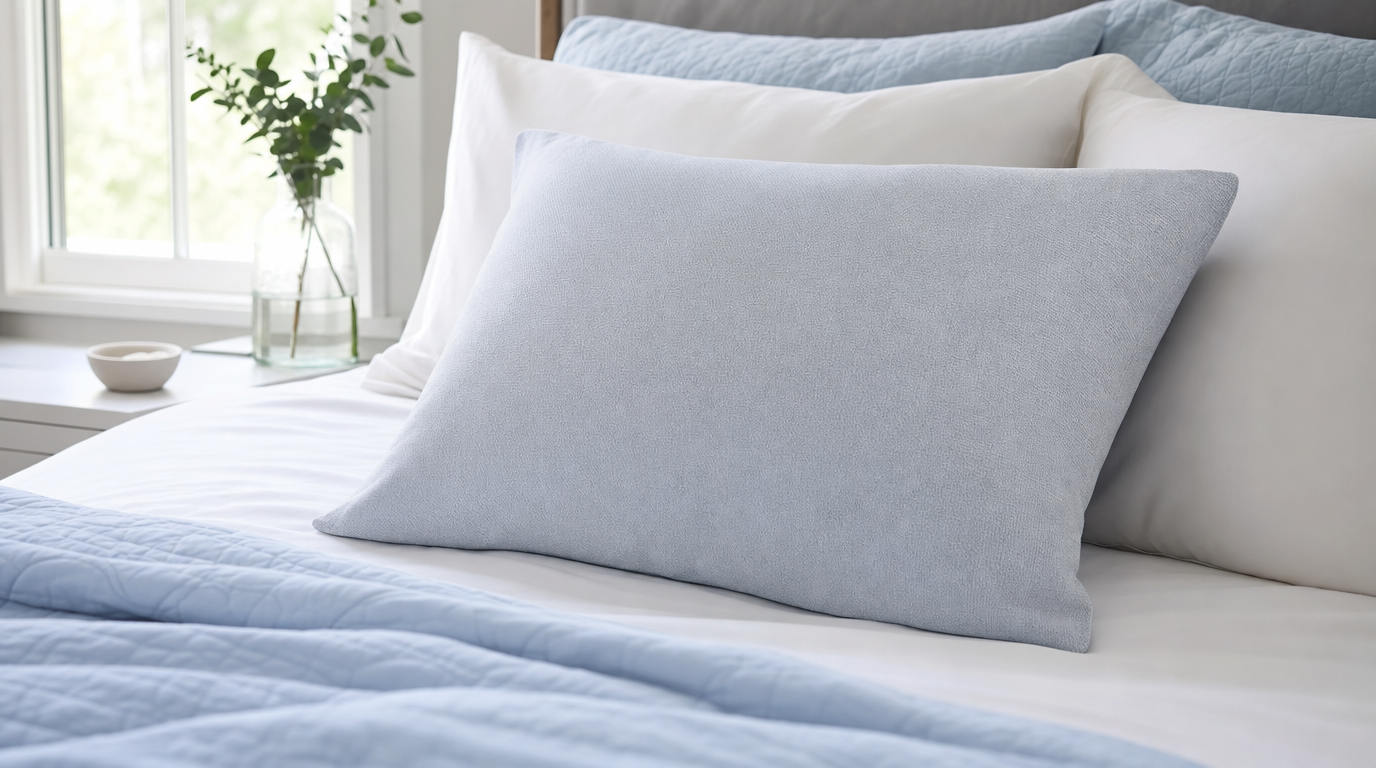
Does a Cooling Pillow Help You Sleep Cooler?
Quick Answer
A cooling pillow may help you sleep cooler if your discomfort comes mainly from the pillow itself trapping heat against your head and neck. Cooling pillows typically use gel-infused foam, breathable covers, or other materials that are often marketed as feeling cooler to the touch, at least for the first part of the night. Many people who sleep hot notice a difference when they switch to one, though results vary from person to person and pillow to pillow.
A cooling pillow is not a fix for a bedroom that runs too warm, bedding that traps heat, or a mattress that sleeps hot. It addresses one small part of your sleep surface: the few inches of material under your head and neck. If your whole bed feels hot, a cooling pillow alone is unlikely to solve the problem.
This article is general education about a sleep product category, not medical advice. If overheating at night is severe, persistent, or connected to a health condition such as night sweats, consider speaking with a qualified healthcare professional.
Table of Contents
- How Cooling Pillows Are Designed to Work
- When a Cooling Pillow May Help vs When the Room Is the Bigger Factor
- Cooling Pillow vs Regular Pillow
- Materials and Care
- Who May Not Notice a Difference, and When to Look Elsewhere First
- How to Test One Without Overthinking It
- Common Mistakes
- FAQ
How Cooling Pillows Are Designed to Work
Cooling pillows generally rely on a combination of a few design ideas rather than a single mechanism. None of these are guaranteed to keep you cool all night, and how well they work can depend heavily on the specific pillow, your body, and your bedroom environment.
Gel-infused materials
Many cooling pillows use foam or fiber fill infused with gel, or a separate gel layer built into the pillow. Gel-infused materials are often marketed as feeling cooler to the touch, especially when you first lie down, and some people do notice a difference right away. Whether that sensation lasts through a full night is a different question, and how much it affects your overall sleep temperature can vary quite a bit from person to person and product to product. Treat any specific claim about how long the cooling effect lasts, or how one material compares to another, as a marketing description rather than a settled fact.
Breathable covers and fill
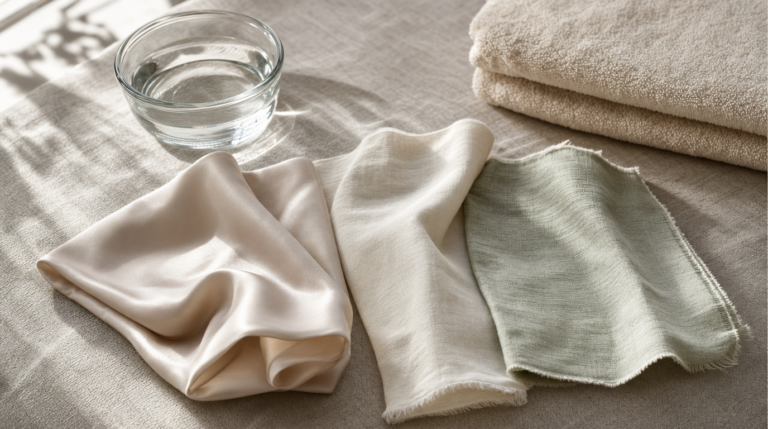
Cover fabric matters as much as the fill inside. Covers made from moisture-wicking or open-weave materials are designed to let air move through more easily than a dense, tightly woven fabric would. Some pillows also use shredded or perforated foam instead of a solid block, which is intended to let air circulate through the pillow rather than getting trapped. The general goal is airflow: a pillow that breathes is less likely to hold body heat close to your skin than one that does not.
Phase-change materials
Some higher-end cooling pillows include a phase-change material, often built into the cover, that is generally described in product marketing as absorbing heat as you warm it up and releasing that heat more slowly than ordinary fabric would. This is sometimes described as giving a pillow a longer-lasting “cool touch” compared to gel alone. The underlying material science here is a specialized area, and this article is not presenting a specific temperature-reduction claim as verified fact. Treat figures about how much heat these materials absorb, or how long the effect holds up over repeated use, as marketing description rather than something independently verified here.
In practice, most cooling pillows combine two or more of these approaches. A pillow marketed as “cooling” might have a gel-infused foam core and a breathable, moisture-wicking cover, for example. The combination is generally meant to address both the immediate cool-to-the-touch sensation and ongoing airflow, though how noticeable either effect is will depend on the individual product and how hot you personally tend to sleep.
When a Cooling Pillow May Help vs When the Room or Bedding Is the Bigger Factor
A cooling pillow is most likely to make a noticeable difference when the heat you feel is localized mainly to your head, neck, and the area right around your face. Some people notice their pillow feels hot to the touch within minutes of lying down, or they instinctively flip the pillow over during the night to find a cooler side. That pattern suggests the pillow itself, rather than the whole bed, may be contributing to the discomfort.
On the other hand, if you wake up sweating all over, kick off the covers repeatedly, or feel hot no matter what pillow you use, the bigger factor is probably your bedroom temperature, your mattress, or your bedding materials rather than your pillow specifically. In that case, a cooling pillow may offer a small improvement at best, and addressing the room or the mattress first is likely to matter more.
Before assuming a cooling pillow is the answer, it is worth ruling out the more common causes of a hot bedroom. See How to Sleep Better in Hot Weather for broader heat-management strategies, and Best Bedroom Temperature for Sleep if you are not sure whether your room itself is too warm. A cooling pillow works best as one piece of a cooler sleep setup, not as a replacement for getting the room right.
Cooling Pillow vs Regular Pillow
A regular pillow is built primarily around support and softness, with heat retention as a secondary consideration at best. A cooling pillow adds materials specifically chosen to feel cooler or to move air more freely, sometimes at the cost of other qualities like softness, contouring, or price.
| Option | Best for | Main advantage | Main limitation |
|---|---|---|---|
| Cooling pillow (gel-infused or phase-change) | People whose pillow itself feels hot within minutes of lying down | Often marketed as feeling cooler to the touch, at least early in the night | Cooling sensation may fade over the night or with wear; not a fix for a hot room |
| Regular foam or fiber pillow | General support and softness without a specific temperature focus | Widely available, often more affordable, simple to replace | May retain more heat against the head and neck for some sleepers |
| Breathable-cover pillow (no gel or phase-change layer) | People who want more airflow without a specialized cooling material | Improves ventilation at a lower cost than gel or phase-change options | Usually a smaller effect than gel or phase-change materials |
| Down or down-alternative pillow | People who prioritize softness and moldability over temperature | Plush feel, good contouring for some sleep positions | Tends to retain more heat than breathable or gel-based options |
If your main issue is the whole bed running warm rather than just the pillow, a cooling pillow may not be the highest-impact change. Consider whether your sheets, mattress, or room temperature deserve attention first.
Materials and Care
Cooling pillows vary widely in construction, and care requirements differ depending on the specific materials used. A few general points are worth knowing before you buy or wash one.
Gel layers and gel-infused foam are usually not machine washable on their own, since saturating foam with water can damage it and slow drying can lead to odor or mildew. Many cooling pillows instead come with a removable, washable outer cover, while the inner core is meant to be spot-cleaned or protected with a pillow protector rather than fully submerged.
Breathable and moisture-wicking covers are often more machine-washable than the fill itself, but always check the specific product’s care label, since fabric blends and phase-change coatings can have specific washing or drying restrictions that affect how well they perform afterward.
Foam-based cooling pillows, like most foam pillows, can lose some of their original feel and support over time. If a pillow that once felt cool and supportive starts feeling flat or less effective, normal wear is a more likely explanation than anything being wrong with the product.
Who May Not Notice a Difference, and When to Look Elsewhere First
Not everyone who sleeps hot will notice a meaningful difference from a cooling pillow. If your heat comes primarily from your mattress, your comforter, your bedroom temperature, or your sleepwear, a cooling pillow is addressing a small fraction of the problem and may feel like a minor change at best.
People who sleep in a warm climate without air conditioning, or whose bedroom regularly stays warm overnight, are often better served by addressing the room first. Airflow, window coverings, fans, and bedding weight tend to have a larger overall effect on how hot a bed feels than the pillow alone. See How to Sleep Better in Hot Weather and Best Bedroom Temperature for Sleep for that broader context before investing in a cooling pillow specifically.
It is also worth noting that frequent night sweats, sudden changes in temperature regulation, or overheating that disrupts sleep on most nights can sometimes be connected to a health condition or medication. This article is general education, not medical advice, and if overheating at night is persistent or severe, consider speaking with a qualified healthcare professional rather than relying on a pillow to solve it.
How to Test One Without Overthinking It
If you decide to try a cooling pillow, a simple, honest test is more useful than overanalyzing the marketing claims. Use the pillow as your normal pillow for at least a week or two, ideally during a period when your bedroom temperature is fairly consistent, so you are not confusing a cooler night with a cooler pillow.
Pay attention to a few simple things: does the pillow feel noticeably cooler when you first lie down, does that feeling last through the night or fade quickly, and do you still flip it over looking for a cool side as often as before. These practical observations tell you more about whether it is working for you than any single feature listed on a product page.
Give it a fair trial before deciding. A single unusually warm or cool night can skew your impression either way, and it can take a few nights to get used to a new pillow’s feel regardless of its temperature properties.
Common Mistakes
- Expecting a cooling pillow to fix a bedroom that runs too warm overall.
- Assuming the strongest-sounding marketing claim (like a specific temperature reduction) is a verified fact rather than a promotional description.
- Judging the pillow after only one night instead of testing it for a week or two.
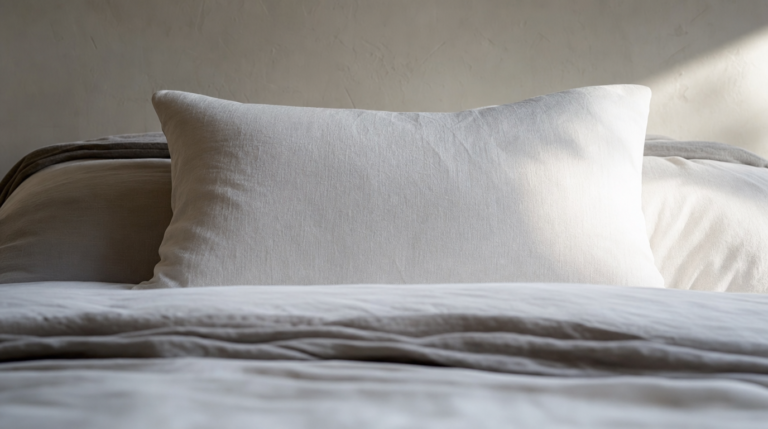
- Ignoring the pillowcase, since a thick or heat-trapping pillowcase can offset a breathable cooling pillow underneath it.
- Skipping the care instructions and machine-washing a gel or foam core that was only meant to be spot-cleaned.
- Overlooking bigger factors like mattress heat retention, comforter weight, or lack of airflow in the room.
FAQ
Does a cooling pillow actually make you sleep cooler?
It can help for some people, especially if the heat you notice is centered on the pillow itself. Many people who sleep hot notice a difference when they switch to a cooling pillow, though results vary, and it is not a fix for a bedroom or mattress that runs warm overall.
What makes a pillow a “cooling” pillow?
Most cooling pillows combine gel-infused foam or fill, breathable or moisture-wicking covers, and sometimes phase-change materials designed to feel cool to the touch. These features are generally meant to improve airflow and reduce how much heat builds up against your head and neck.
Is a gel pillow better than a regular pillow for hot sleepers?
A gel pillow may feel cooler to the touch than a plain foam or down pillow, which can help hot sleepers whose main issue is the pillow itself. It is not automatically “better” for support or comfort, and the right choice still depends on your sleep position and personal preference.
How long does the cooling effect of a cooling pillow last?
This varies by product and material, and there is no verified figure that applies across all cooling pillows. Some people notice the cooling sensation is strongest early in the night and fades over time, which is a reasonable expectation to have going in.
Should I buy a cooling pillow if my whole room feels hot at night?
Probably not as your first step. If your whole bed or bedroom feels warm, addressing room temperature, airflow, and bedding weight is likely to make a bigger difference than a cooling pillow alone. A cooling pillow works best as an addition to a cooler overall setup, not a replacement for it.
Can I machine wash a cooling pillow?
It depends on the pillow. Many cooling pillows have a removable, washable cover, while the gel or foam core is often meant to be spot-cleaned rather than machine washed. Always check the specific product’s care instructions before washing.
Bottom Line
A cooling pillow may help you sleep cooler if the heat you notice is mainly coming from the pillow itself, thanks to gel-infused materials, breathable covers, or phase-change layers that are often marketed as feeling cooler to the touch. It is not a guaranteed fix, and it will not solve a bedroom or mattress that runs too warm overall. Test one honestly for a week or two, keep your pillowcase in mind, and address the bigger picture first if your whole bed feels hot. Start with How to Sleep Better in Hot Weather and Best Bedroom Temperature for Sleep for broader heat-management context, and see the Sleep Hygiene Guide for how a cooling pillow fits into a complete sleep routine.
3 Comments