
Best Bedroom Temperature for Sleep
The best bedroom temperature for sleep is the setup that helps your room feel comfortable, consistent, and easy to rest in. Instead of chasing one perfect number, start by noticing whether you wake sweaty, chilled, restless, or uncomfortable.
Temperature is only one part of the sleep environment. Bedding, airflow, humidity, pajamas, mattress materials, season, and personal preference can all change how warm or cool the room feels.
Quick Answer
Start with comfort, not a universal temperature target. If your bedroom feels too warm, too cold, stuffy, or uneven, adjust one variable at a time: bedding, airflow, humidity, sleepwear, or thermostat setting. Track how you feel in the morning before assuming one setup fits every person.
Why bedroom temperature matters
A room that feels uncomfortable can make it harder to settle down and easier to wake up restless. If you are too warm, you may kick off covers or wake sweaty. If you are too cold, you may tense up or keep searching for warmth. If the room is stuffy, sleep may feel less comfortable even when the thermostat looks reasonable.
This does not mean temperature is the only reason sleep feels off. If you often wake tired even when the bedroom feels comfortable, review the broader checklist in Why Do I Wake Up Tired?.
Comfort beats one perfect number
Many sleep articles focus on a specific number. That can be useful after source validation, but it can also distract from what a person actually feels in the room. A number on a thermostat does not capture bedding weight, airflow, humidity, body temperature, a shared bed, or seasonal changes.
For RestWell HQ’s practical approach, the first step is to check comfort signals: waking sweaty, waking chilled, tossing because the room feels stale, or changing covers often during the night.
What to adjust first
| What you notice | First adjustment | Why it helps |
|---|---|---|
| Waking sweaty. | Use a lighter layer or improve airflow. | Separates bedding heat from room temperature. |
| Waking chilled. | Add a breathable layer before raising heat. | Tests warmth without changing the whole room. |
| Room feels stuffy. | Review airflow, ventilation, and humidity. | Comfort may be about air quality and movement, not only temperature. |
| Partner prefers a different setup. | Use separate blankets or individual layers. | Lets each person adjust comfort without fighting the thermostat. |
| Comfort changes by season. | Rotate bedding weight and sleepwear. | Keeps the routine consistent while adapting to climate. |
1. Start with bedding layers
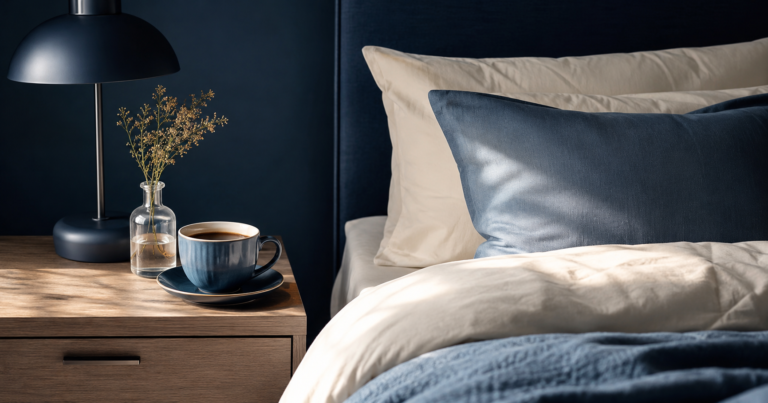
Bedding can make the same room feel very different. A heavy comforter, thick blanket, heat-retaining mattress, or warm sleepwear can make the room feel hotter than the thermostat suggests.
Before buying anything, test simple changes. Remove one layer, switch to a lighter blanket, or use separate blankets if you share the bed. The goal is to learn whether the discomfort comes from the room or from the layers closest to you.
2. Review airflow
Airflow can change how comfortable a bedroom feels. A still room may feel warmer or stuffier, while too much direct airflow may feel irritating or cold. The useful question is not whether airflow is always good. It is whether the current setup helps the room feel steady.
Open a door if safe, adjust a vent, use a fan thoughtfully, or change where air moves through the room. Make one change at a time so you know what helped.
3. Consider humidity and season
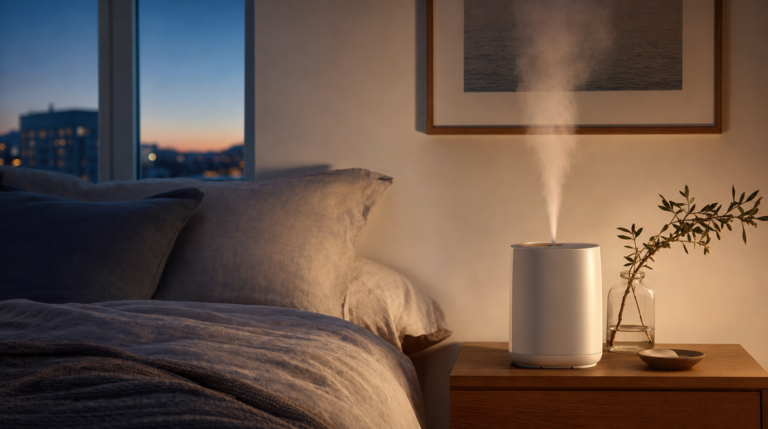
Humidity can make a room feel warmer, heavier, or less comfortable. Dry air can also feel uncomfortable for some people. Seasonal changes may require different bedding, pajamas, and airflow even if your bedtime routine stays the same.
Instead of using one year-round setup, treat the bedroom as something you adjust lightly by season. This keeps the routine flexible without turning every night into an experiment.
4. Keep your setup consistent enough to learn from it
If you change thermostat setting, blankets, pajamas, fan speed, and bedtime all at once, you will not know what helped. A better approach is to test one variable for several nights, then decide whether it made the room feel more comfortable.
This is similar to the broader routine approach in the Sleep Hygiene Guide: make one or two clear changes, track them, and avoid overcorrecting too quickly.
5. Connect temperature to bedtime routine
A bedroom that feels comfortable is easier to pair with a calm bedtime routine. If the room is too bright, loud, warm, cold, or cluttered, it can make wind-down habits harder to use.
If falling asleep is the bigger issue, read How to Fall Asleep Faster. That guide focuses on reducing stimulation, setting a calmer routine, and avoiding pressure at bedtime.
Bedroom comfort checklist
- Notice whether you wake sweaty, chilled, or restless.
- Change one variable at a time.
- Test bedding layers before making major thermostat changes.
- Review airflow if the room feels stuffy or uneven.
- Adjust bedding and sleepwear by season.
- Use separate blankets if a partner needs a different setup.
- Track morning comfort for one week.
- Avoid buying cooling or warming products before testing simple adjustments.
A one-week bedroom comfort test
For one week, write down the room setup and how you felt in the morning. Keep notes simple: bedding, fan or airflow, thermostat setting if relevant, whether you woke sweaty or chilled, and a 1-to-5 comfort rating.
If a pattern appears, adjust the simplest factor first. If late caffeine, stress, or irregular timing also appears in your notes, temperature may not be the main issue. For caffeine-specific review, see Does Coffee Affect Sleep?.
Common mistakes to avoid
- Assuming one temperature number works for everyone.
- Changing thermostat, bedding, sleepwear, and fan settings all at once.
- Ignoring humidity and airflow.
- Keeping the same bedding through every season.
- Buying products before testing simple room adjustments.
- Blaming temperature when stress, caffeine, or schedule may also be involved.
When comfort is not the whole answer
Bedroom comfort can support a better routine, but it is not a diagnosis or a complete solution for ongoing sleep trouble. If sleep issues keep disrupting daily life, consider getting personalized guidance from an appropriate professional.
RestWell HQ content is for general education. Read the Medical Disclaimer and Editorial Policy for more detail.
FAQ
Is a cooler bedroom always better?
Not always. A cooler room may feel better for some people, but comfort depends on bedding, airflow, season, humidity, and individual preference.
Should I use an exact bedroom temperature?
An exact number can be useful only if it matches your comfort. Start by tracking how the room feels and how you wake up before treating one number as the answer.
What if my partner prefers a different temperature?
Try individual bedding layers, separate blankets, or airflow changes before making large room-wide changes.
Can bedding make the room feel too warm?
Yes, bedding can change how warm or cool you feel. Test lighter or more breathable layers before assuming the room temperature itself is the only issue.
What should I change first if I wake up hot?
Start with a simple change: lighter bedding, better airflow, or different sleepwear. Track the result for several nights before changing another variable.



10 Comments