
Sleep Hygiene Guide
Sleep hygiene is a practical way to review the habits, timing, and environment choices that shape your nights. It is not a cure for every sleep problem, and it is not a diagnosis. It is a simple framework for noticing what supports your routine and what may be getting in the way.
If your sleep feels inconsistent, start with the basics before changing everything at once. Wake time, light, caffeine, screens, bedroom comfort, stress, and evening routines are all easier to adjust when you track them clearly.
Quick Answer
Sleep hygiene means the habits and environment choices that make your sleep routine easier to understand and adjust. Start with a consistent wake time, enough time in bed, a calmer wind-down routine, thoughtful caffeine timing, morning light when practical, less stimulating screen use before bed, and a dark, quiet, comfortable bedroom. Use sleep hygiene as a checklist, not a diagnosis.
What is sleep hygiene?
Sleep hygiene is the set of daily habits, schedule cues, and bedroom conditions that can influence how easy your sleep routine feels. It includes when you wake up, how you wind down, when you use caffeine, how bright your evenings are, and whether your bedroom feels comfortable.
The point is not to create a perfect routine. The point is to make sleep easier to observe. When you know what changed, you can make better decisions about what to adjust next.
A good sleep hygiene review is also personal. A routine that feels calming for one person may feel unrealistic for someone with shift work, caregiving duties, travel, or a changing household schedule. Use the ideas below as options to test, not rules you have to follow perfectly.
Why sleep hygiene matters
Sleep problems can feel confusing because many factors overlap. A stressful day, late caffeine, a warm room, bright screens, irregular timing, and a busy mind can all show up on the same night. Sleep hygiene helps you separate those pieces so you can test one change at a time.
If you often wake up tired, sleep hygiene is one starting point, but it is not the whole picture. For a broader morning checklist, read Why Do I Wake Up Tired?.
Sleep hygiene checklist
- Keep your wake time as consistent as practical.
- Allow enough time in bed for the night you want to have.
- Get morning light when it is practical and safe.
- Move caffeine earlier if it seems connected to harder nights.
- Create a repeatable wind-down routine.
- Reduce highly stimulating screen use before bed.
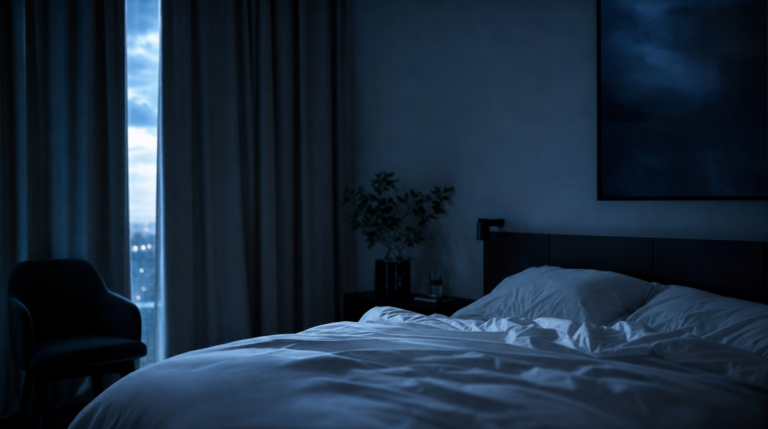
- Keep the bedroom dark, quiet, and comfortable.
- Adjust bedding, airflow, and room temperature if you wake uncomfortable.
- Avoid changing every habit at once.
- Track changes for one week before judging the routine.
Sleep hygiene habits table
| Habit area | What to check | Why it matters |
|---|---|---|
| Schedule | Wake time and bedtime consistency. | Helps you spot timing patterns. |
| Light | Morning light and bright evening light. | Helps make routine cues clearer. |
| Caffeine | Last caffeine time and rough amount. | Helps identify whether caffeine timing lines up with harder nights. |
| Screens | Late scrolling, work, news, or intense media. | Helps reduce stimulating inputs before bed. |
| Bedroom | Light, noise, bedding, temperature, and comfort. | Helps separate routine issues from environment issues. |
| Stress | Planning, worry, and unfinished tasks. | Helps reduce mental friction near bedtime. |
| Naps | Timing and length of naps. | Helps identify whether daytime sleep affects bedtime readiness. |
1. Keep wake time consistent
A consistent wake time gives your routine a stable anchor. It does not have to be perfect every day, but large swings can make it harder to understand what is affecting your nights.
Start with the wake time you can keep most days. Then review whether bedtime, caffeine, screens, or stress are making that wake time harder than it needs to be.
2. Use light as a routine cue
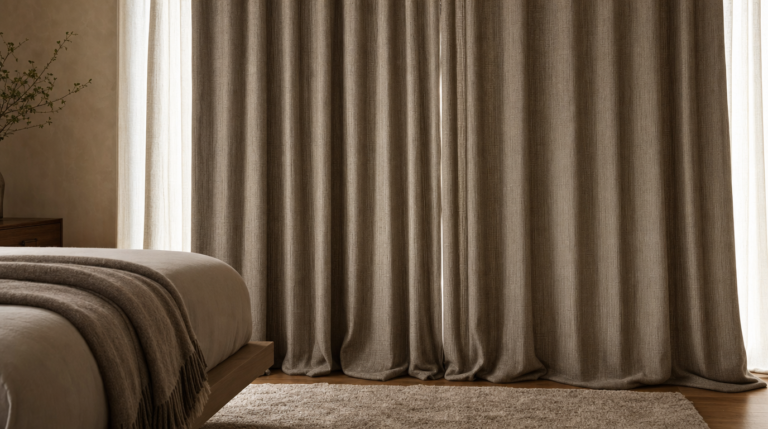
Light can be a useful cue for your routine. Morning light may help the day feel more clearly started when it is practical and safe. In the evening, dimmer light can help your environment feel calmer.
You do not need a complicated setup. Open curtains in the morning, spend a little time outside when possible, and make the last part of the evening feel less bright and active.
3. Review caffeine timing
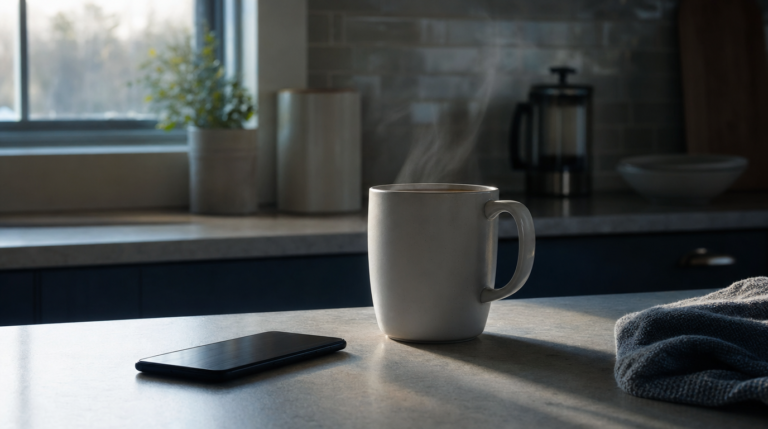
Caffeine timing is one of the easiest variables to track. Coffee, tea, energy drinks, pre-workout products, some sodas, and some over-the-counter products may all contain caffeine.
If later caffeine lines up with nights when you take longer to wind down or feel less rested in the morning, test moving it earlier for several days. For a deeper guide, read Does Coffee Affect Sleep?.
4. Build a bedtime routine
A bedtime routine should help the day slow down. It can be simple: dim lights, finish demanding tasks earlier, write down tomorrow’s reminders, and choose a calm activity that does not feel like work.
If falling asleep is your main challenge, pair this guide with How to Fall Asleep Faster. That article focuses on reducing bedtime friction without trying to force sleep on command.
5. Make screens less disruptive
Screens are not all the same. A quiet show, intense work email, breaking news, conflict, and fast scrolling can affect the evening differently. Instead of treating every screen as the same problem, notice which screen habits keep you engaged or delay bedtime.
A practical first step is to move the most stimulating screen use earlier. If you still use a screen before bed, choose lower-friction content and set a clear stopping point.
6. Set up the bedroom
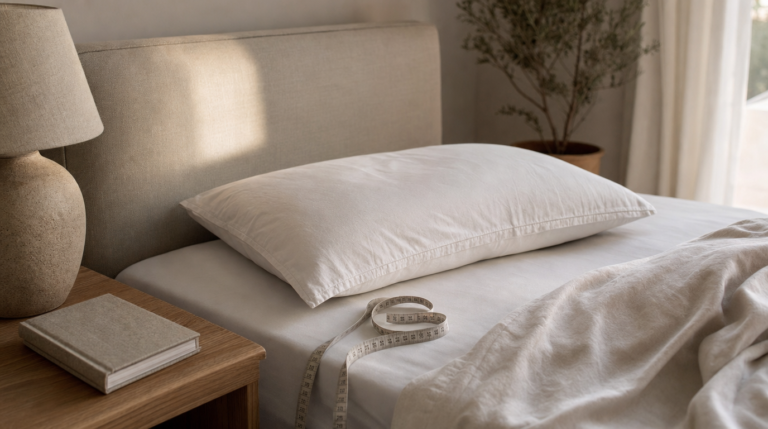
Your bedroom does not need to look perfect. It should be easy to sleep in. Review the practical basics: light, noise, bedding, airflow, temperature, and comfort.
If you wake sweaty, chilled, or restless, adjust bedding and airflow before buying anything. For a focused environment guide, read Best Bedroom Temperature for Sleep.
7. Use naps carefully
Naps can be useful for some people and disruptive for others. If bedtime gets harder after naps, track nap timing, how long the nap lasted, and how ready you felt for sleep that night.
Do not assume naps are always good or always bad. Treat them as one part of your pattern.
8. Manage stress and next-day planning
A busy mind can make bedtime feel active. One simple habit is to write down tomorrow’s tasks earlier in the evening. That does not solve every source of stress, but it can reduce the feeling that you need to keep rehearsing the next day in bed.
If stress, anxiety, or sleep trouble feels persistent or disruptive, consider speaking with a qualified professional. Sleep hygiene can support a routine, but it should not replace appropriate care.
What not to change all at once
The fastest way to confuse your sleep notes is to change everything at the same time. If you move bedtime, cut caffeine, change workouts, use new bedding, stop screens, and add a new routine all at once, you will not know what helped or what did not.
Pick one or two changes for a week. Keep notes simple. Then adjust based on what you observe.
When sleep hygiene is not enough
Sleep hygiene is a starting point, not a complete answer for every sleep concern. If sleep trouble is persistent, severe, linked with breathing symptoms, or causing strong daytime sleepiness, consider professional guidance.
RestWell HQ content is written for general education. It should not replace medical advice, diagnosis, or treatment. You can read more in the Medical Disclaimer and Editorial Policy.
FAQ
What is sleep hygiene?
Sleep hygiene is the set of habits, timing choices, and bedroom conditions that shape your sleep routine. It helps you see what to track and adjust.
Can sleep hygiene fix insomnia?
Sleep hygiene can support a healthier routine, but it is not a guaranteed fix for persistent insomnia or other sleep disorders. If sleep trouble continues or affects daily life, consider professional guidance.
How long should I try a sleep hygiene routine?
Try tracking a few focused changes for about a week before judging the pattern. Avoid changing every habit at once.
What is the first sleep hygiene habit to change?
Start with the easiest measurable habit: wake time, caffeine timing, or your wind-down routine. Pick the one that seems most connected to your current sleep issue.
Is screen time always bad before bed?
Not always. The type of screen use matters. Work, stressful news, conflict, and fast scrolling may be more disruptive than calm, time-limited use for some people.
Does caffeine timing matter for sleep hygiene?
It can for some people. If later caffeine lines up with harder nights or tired mornings, move it earlier for several days and compare your notes.
What if sleep hygiene does not help?
If sleep trouble continues, feels severe, or comes with symptoms such as breathing concerns or strong daytime sleepiness, consider speaking with a qualified professional.


23 Comments