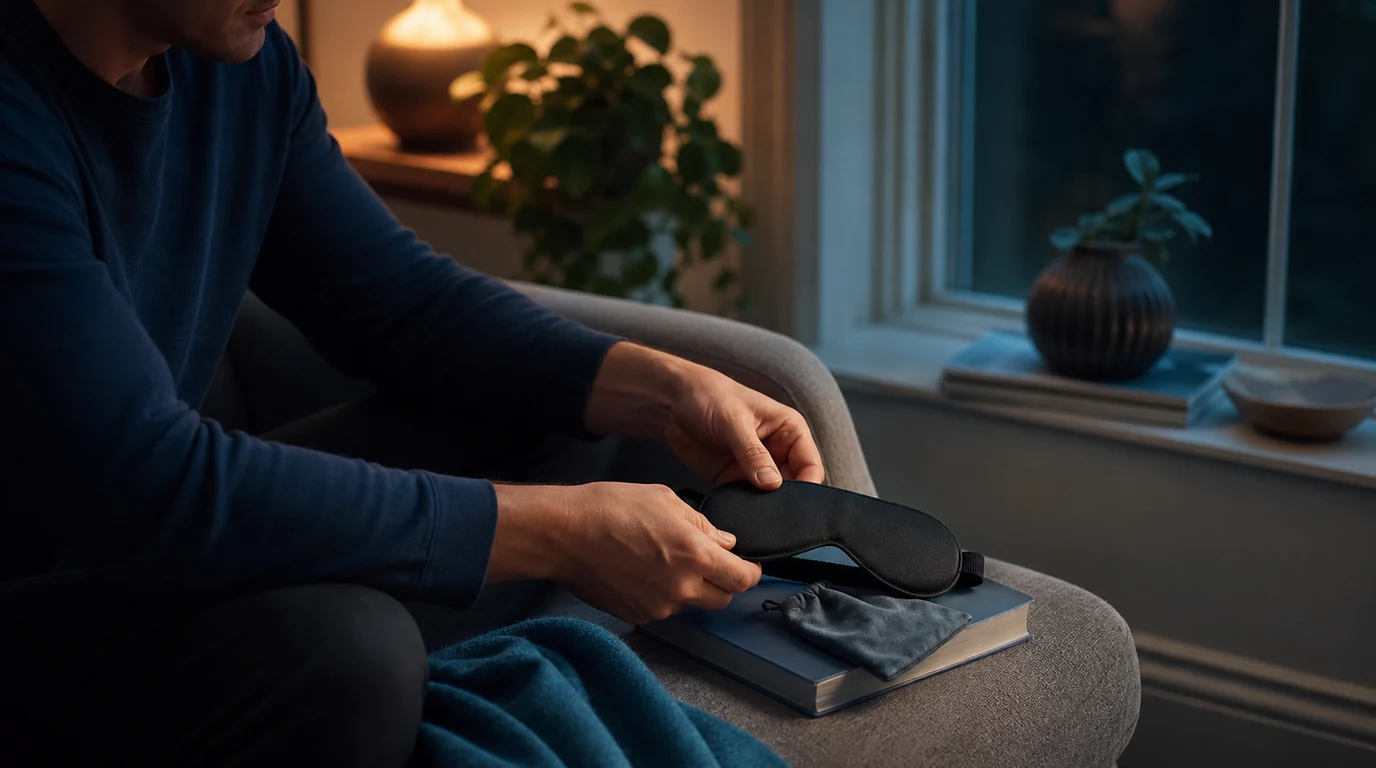
Does a Sleep Mask Help You Sleep Better?
Quick Answer
A sleep mask may help you sleep better if unwanted light is one of the reasons your bedroom, hotel room, shared space, or early morning environment feels disruptive. It works by covering the eyes and reducing light that reaches them. That can be useful for streetlights, partner reading lamps, travel, shift-style schedules, early sunrise, or rooms where blackout curtains are not practical.
A sleep mask is not a cure for insomnia, stress, pain, irregular schedules, or other persistent sleep issues. Comfort matters as much as darkness. If the mask feels hot, tight, scratchy, heavy, or distracting, it may make sleep feel worse. Treat it as one sleep-environment tool, test it for several nights, and compare it with room-darkening changes such as curtains, door-gap fixes, and covering small LEDs.
If sleep problems are persistent, severe, or affecting your daily life, consider speaking with a qualified healthcare professional. This article is general education, not medical advice.
Table of Contents
- How a Sleep Mask Helps
- When a Sleep Mask May Be Useful
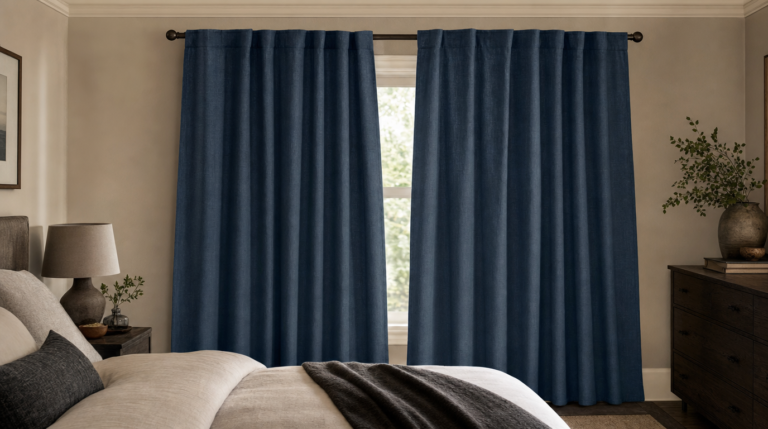
- Sleep Mask vs Blackout Curtains
- Fit, Comfort, Pressure, Heat, and Material
- Who May Dislike Sleep Masks
- How to Use a Sleep Mask
- Cleaning and Care
- Sleep Mask Test Checklist
- FAQ
How a Sleep Mask Helps
A sleep mask helps in a simple way: it blocks or reduces light before that light reaches your eyes. For many people, darkness is one part of a calmer sleep environment. Light can make a room feel active, alert, or unfinished, especially when it comes from a hallway, device, streetlight, window gap, or partner’s lamp.
The main benefit of a sleep mask is control. Curtains only work where they are installed. A sleep mask moves with you. That makes it especially useful in places where you cannot change the room, such as a hotel, guest room, apartment with bright outdoor lights, airplane, train, or shared bedroom.
Still, a mask only addresses light. If your sleep is being disrupted by caffeine timing, stress, noise, heat, an inconsistent schedule, or late-night screens, a mask may help the room feel darker without solving the bigger issue. For a broader routine, see the Sleep Hygiene Guide and Night Routine for Better Sleep.
When a Sleep Mask May Be Useful
A sleep mask is most useful when you can name the light problem clearly. If you know that light lands near your pillow, your partner reads after you go to bed, the hallway stays bright, or the sun reaches your room before your planned wake time, a mask gives you a direct way to reduce that exposure.
It may also help people who travel often. Travel sleep is usually less predictable than home sleep. You may not control curtain quality, hallway light, airport lighting, hotel alarm displays, or early sunrise through thin window coverings. A comfortable mask can become a portable cue that says, “This is my sleep setup, even if the room is different.”
Some readers also use a mask for naps. That can be practical if the room is bright during the day. The same caution applies: a mask can support the environment, but it does not replace a stable schedule or a realistic nap plan. If naps are interfering with nighttime sleep, review your timing in How to Fix a Sleep Schedule.
A mask can be helpful when bedroom changes are not allowed. Renters, dorm residents, house guests, or people who share a room may not be able to install blackout shades or modify windows. In those cases, a mask can be the least disruptive option.
Sleep Mask vs Blackout Curtains
Sleep masks and blackout curtains solve related problems in different ways. Curtains change the room. A mask changes what reaches your eyes. The better choice depends on whether the light source is predictable, whether you own the space, and whether you can tolerate wearing something on your face.
| Option | Best for | Main advantage | Main limitation |
|---|---|---|---|
| Sleep mask | Travel, shared rooms, naps, renters, light-sensitive sleepers | Portable and usually simple to test | Can feel hot, tight, distracting, or uncomfortable |
| Blackout curtains | Regular bedroom light from windows | Improves the whole room environment | Requires setup and may not block every edge gap |
| Blackout shade plus curtain | Strong window light or early sunrise | Layered control with fewer side gaps | More expensive or harder in rentals |
| Small light fixes | LEDs, chargers, alarm displays, hallway gaps | Low cost and targeted | Does not solve bright windows |
If your bedroom has obvious window light, start with the room-level approach in How to Make Your Bedroom Darker for Better Sleep. If the room is mostly fine but light still reaches your eyes, a mask can be a practical add-on.
Fit, Comfort, Pressure, Heat, and Material
The best sleep mask is not the one with the most dramatic marketing. It is the one you can forget about while resting. A mask that blocks light but constantly reminds you it is there may not be helpful. Evaluate comfort first.
Fit
A mask should stay in place without feeling tight. If the strap pulls, leaves marks, or slides around, the fit may be wrong for your head shape, hair, sleep position, or pillow setup. Side sleepers may notice strap or edge pressure more than back sleepers.
Eye Pressure
Some masks rest directly on the eyelids. Others are contoured so the fabric sits away from the eyes. Neither style is automatically better for everyone. If pressure on the eyes bothers you, a contoured shape may feel easier. If bulky shapes bother you, a flatter mask may feel simpler.
Heat
A mask adds material to the face. That can feel cozy in a cool room and annoying in a warm room. If you already struggle with heat, sweating, or stuffy bedding, the mask may need to be lighter and more breathable. For broader warm-room adjustments, see Best Bedroom Temperature for Sleep.
Material
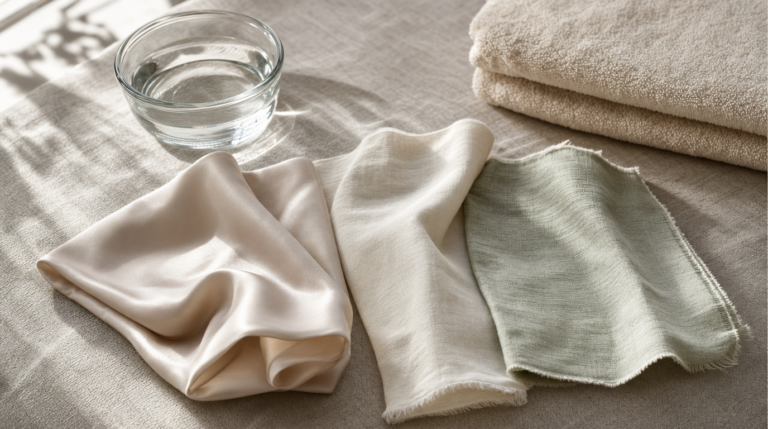
Material affects feel, warmth, durability, and cleaning. Soft fabric matters more than a claim that one material is universally best. People vary in skin sensitivity, heat preference, laundry habits, and texture tolerance. Choose a material you can wear comfortably and clean according to the care instructions.
Who May Dislike Sleep Masks
A sleep mask is not for everyone. Some people dislike anything touching the face. Others wake up when the mask shifts. Some feel too warm, notice strap pressure, or find the mask annoying when changing positions. People with sensitive skin may also need to be more selective about texture and cleaning.
If a mask makes you more aware of your sleep effort, it may not be the right tool. Sleep tools should reduce friction, not create a new bedtime project. A useful test is simple: after several nights, do you think about the mask less, or more?
If light sensitivity feels extreme, new, painful, or connected with other concerning symptoms, do not treat a sleep mask as the full solution. Get appropriate professional guidance.
How to Use a Sleep Mask Without Overthinking It
Use the mask as part of a repeatable wind-down routine. Put it near your pillow or travel bag. Adjust the strap before you are tired. Turn off or reduce the biggest room lights first. Then put the mask on when you are actually ready to sleep, not while scrolling, watching video, or trying to force sleep.
Test it for several nights in the same conditions if possible. One night can be misleading because novelty matters. A mask may feel strange at first, or you may have one unusually bad night for unrelated reasons. A short test gives you enough time to notice patterns without turning it into a major experiment.
If the mask shifts, try adjusting the strap earlier in the evening. If it feels hot, try a lighter style or use it only when light is truly a problem. If it presses on your eyes, consider whether the shape fits your sleep position. If it keeps falling off, the strap, size, or pillow friction may be the issue.
Cleaning and Care
A sleep mask touches skin, hair, sweat, moisturizer, and laundry residue. Cleaning matters for comfort and hygiene. Follow the product’s care instructions, especially if the mask has foam, contours, weighted filling, elastic, or delicate fabric.
If the mask is washable, set a realistic cleaning routine. If it is not easy to clean, think carefully before relying on it every night. A product that feels premium but is inconvenient to maintain may not stay useful.
Keep one travel mask separate if you use it on airplanes, trains, or hotels. Travel items pick up more handling and surface contact than bedroom-only items. A small storage pouch can help keep the mask clean without turning it into a complicated system.
Sleep Mask Test Checklist
- Identify the light problem before buying or using a mask.
- Check whether room fixes would solve the issue better.
- Choose comfort and fit over dramatic claims.
- Adjust the strap before bedtime.
- Test the mask for several nights, not just one.
- Notice heat, pressure, slipping, and skin comfort.
- Clean it according to instructions.
- Stop using it if it makes bedtime feel more irritating.
- Seek professional guidance for persistent, severe, or concerning sleep problems.
How to Choose Without Turning It Into a Product Hunt
Because sleep masks are small and affordable compared with many bedroom products, it is easy to over-shop. A better approach is to define your problem first. Are you trying to block early morning light, travel light, a partner’s lamp, or the glow from a shared room? The answer changes what matters most.
If the issue is travel, packability and cleaning may matter more than maximum coverage. If the issue is side sleeping, strap placement and edge comfort may matter more. If the issue is eye pressure, a contoured shape may be worth testing. If the issue is heat, a thick or weighted mask may be the wrong starting point even if it sounds relaxing.
Ignore any product language that makes the mask sound like a guaranteed sleep solution. The practical question is whether you can wear it comfortably while solving a real light problem. If the answer is yes, it may be useful. If the answer is no, the mask is not a failure. It simply may not fit your sleep style.
Nightly Use vs Travel Use
A mask that works at home may not be the same mask you want for travel. At home, you may prioritize softness and a familiar fit. For travel, you may care more about durability, easy cleaning, storage, and whether the mask stays comfortable in a seat, hotel room, or unfamiliar bed.
It can be useful to keep the expectations separate. A travel mask does not need to be perfect for every night. A nightly mask does not need to fold into the smallest pouch. When the use case is clear, the product decision becomes less confusing and less sales-driven.
How This Fits Into a Better Sleep Routine
A sleep mask can be useful, but it works best when the rest of the routine is not fighting against it. If you wear a mask while drinking caffeine late, keeping the room hot, watching bright screens in bed, and changing your sleep time every night, the mask has too much work to do.
Pair it with simple basics: dim the room, reduce screen brightness and stimulation, keep the bedroom comfortable, and give yourself a predictable wind-down. If late screens are part of the problem, read Does Blue Light Affect Sleep?. If you are still unsure why sleep feels difficult, start with Why Can’t I Sleep?.
FAQ
Does a sleep mask help everyone?
No. A sleep mask may help when light is a real problem and the mask is comfortable. It may not help if the main issue is stress, schedule, caffeine, noise, temperature, pain, or another sleep disruptor.
Is a sleep mask better than blackout curtains?
Not always. Blackout curtains improve the room. A mask blocks light from reaching your eyes. Curtains are often better for a consistent bedroom light problem, while a mask is useful for travel, shared rooms, naps, and situations where you cannot change the room.
Can a sleep mask cure insomnia?
No. A sleep mask is a light-control tool, not a treatment or cure. If insomnia-like symptoms are persistent or affecting your life, talk with a qualified healthcare professional.
Are weighted sleep masks better?
Some people like the feel of gentle weight, while others dislike pressure or heat. Weighted masks should be evaluated for comfort, fit, cleaning, and whether the pressure feels relaxing or distracting. Do not assume weighted means better for everyone.
Should I wear a sleep mask every night?
You can if it is comfortable, clean, and genuinely helpful. If you only need it for travel, early sunrise, or occasional light exposure, occasional use may be enough.
What should I do if a sleep mask feels uncomfortable?
Check strap tension, shape, material, heat, and whether it fits your sleep position. If it still feels distracting, focus on room-darkening changes instead.
Bottom Line
A sleep mask can help when light is the specific problem and the mask is comfortable enough to disappear into your routine. It is most useful for travel, shared spaces, bright rooms, naps, and early morning light. It is less useful when the real issue is schedule, stress, caffeine, temperature, or persistent sleep difficulty. Start with the light problem, test the mask honestly, and keep it as one practical tool in a broader sleep routine.
2 Comments